Chickens generally fare fine in winter temperatures, but you can do a few things—from choosing hardy breeds to checking water—to help your birds keep cool in the cold.

Considering taking the plunge into keeping chickens? Great choice, but mind these four considerations before purchasing your first poultry.

Grow fresh forage in and around the run for your chickens to enjoy throughout the winter to improve nutrition and boost your flock's activity.

When it comes to home remedies, the list is long for treatments to help chicken ailments. However, not all are as effective as you may be led to believe.

We rounded up 5 of our favorite Hobby Farms video stories from the past year. Check them out, then dig into all the great video content from our contributors!

You can (probably) bring your chickens when moving, but there are rules to follow. In addition to what we've already covered, keep these things in mind.

There are plenty of wild critters eager to make a meal out of your chickens, so get to know common predators and effective deterrents for each.

When Butters, a beloved Mottled Orpington, passed on recently, her keeper was moved to recount the special times shared with this unique hen.

This 7th-grader provides some great pointers on keeping poultry, from maintaining cleanliness year-round to season-specific tips for poultry health.

If you want year-round eggs, a few simple things can maximize your hens’ output. Here are some tried-and-true tricks for extending the laying season.

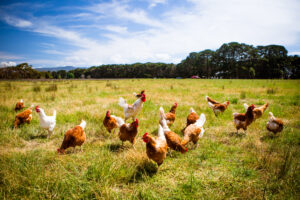
Different times of the year bring different challenges for a free-ranging flock, so check out these tips for foraging a flock through the changing seasons.

It's important to know your enemy, and as a chicken-keeper, a big part of predator prevention is identifying the animals trying to hunt your flock for food.