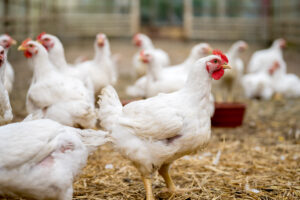
It's not uncommon for a chicken to become sick, and illness isn't a major catastrophe—though keepers do need to take a few precautions when a case arises.

When an animal dies, a necropsy can provide a wealth of information that may help your other animals. Here are some considerations for having a necropsy done.

Looking to liven up the coop with some tasty enrichment ideas? Here are some chicken treats that will keep your hens entertained throughout the year.
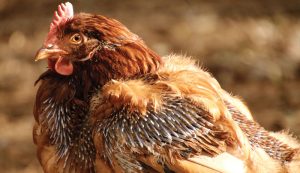
Winter is not the time to be caught featherless! If feather loss persists into colder temperatures, follow these tips to find the cause and keep hens comfy.

Many chickens are cold hardy, but some breeds call for extra help in winter, especially in northern climates. Here are tips for keeping your chooks warm.

When molting season arrives, feathers drop as your chickens focus on growing new ones. Here's what's happening and what you can expect.

Planning ahead for a potential emergency is the best medicine for your farm or homestead. Here's where to start when getting ready for the unexpected.

When fall arrives, feathers hit the floor as molting chickens shed and grow new ones. It's natural, but you can help your flock through the stress.

New hens are always exciting, but follow these important steps when you add a chicken to an existing flock to avoid fighting and injury.

People are talking about feeding wet food to their chickens. And while there are some reasons to consider it, there are drawbacks as well.

Many poultry-keepers swear by the benefits of apple cider vinegar, but the truth is, your chickens don't need it (and it may cause more harm than good).

Is your bird looking black and blue? A few different things can cause a bruise on the beak, but don't worry—it's common and typically clears up itself.