
Respecting Natural Biological Rhythms Can Support Stronger Birds
Through a mixture of verbal noises and and cues, chickens have a rich vocabulary.
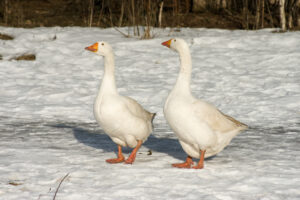
If provided with the right nutrients and protected from harsh climates, raising geese successfully in winter and keeping them comfortable is possible.
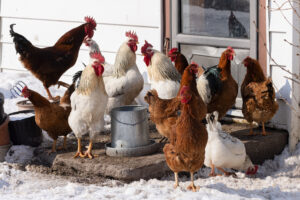
With the right tools, frozen water doesn’t have to be a wintertime battle. These tips offer different styles to fit every flock owner’s individual needs.
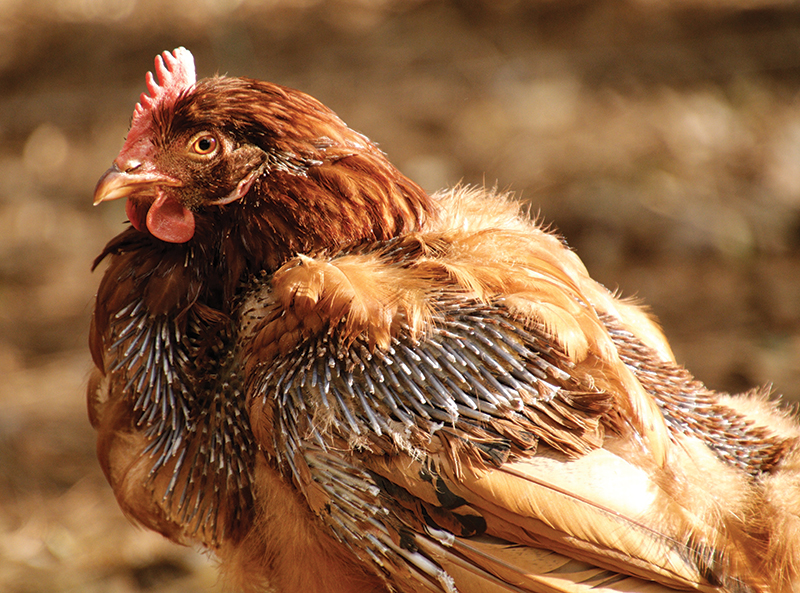
Chickens molting in winter may not be an uncommon occurrence, but with proper care, your flock can thrive through a wintertime molt and be able to resume egg laying in the spring.
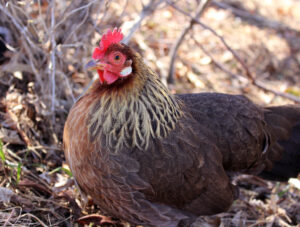
Free-range chickens produce healthier meat and eggs, but not all breeds are suited for free-ranging.
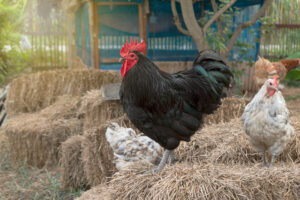
The chicken breeds you keep need to suit your coop and chicken-keeping style. Here are our favorites for limited spaces.
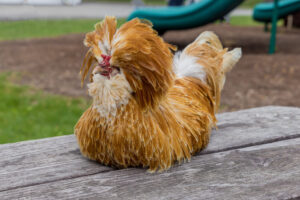
The Polish chicken breed is used mainly for exhibition. Some strains lay three to four medium-sized, white eggs per week while others are mediocre layers.
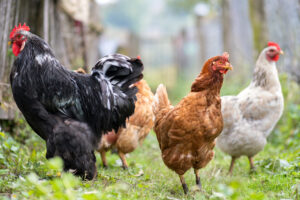
Making some positive changes to your backyard chicken-keeping routines can reap great rewards by helping your flock stay healthier and live longer, more enriched lives.

From snowy adventure paths to tasty DIY treats, these activities provide exercise, mental stimulation, and a little extra joy for your flock during the colder season.
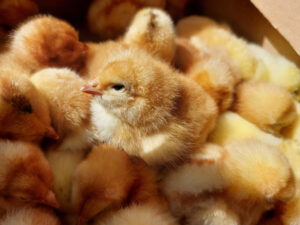
Knowing what to expect throughout the process will make the experience less stressful and worry-free and make you more prepared.