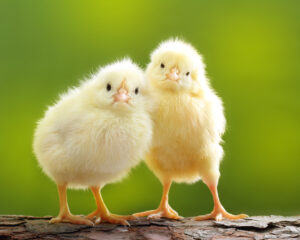
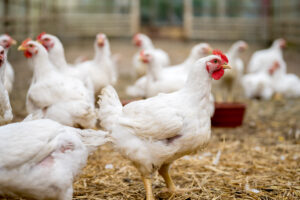
People are talking about feeding wet food to their chickens. And while there are some reasons to consider it, there are drawbacks as well.
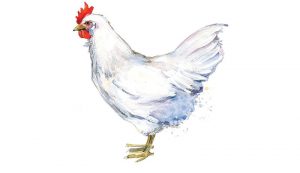
A Mediterranean heritage chicken with an important, I say, important history in egg production, this mystery breed is the most common bird in the U.S.

Many poultry-keepers swear by the benefits of apple cider vinegar, but the truth is, your chickens don't need it (and it may cause more harm than good).

Got an old chicken coop or unused outbuilding? Consider recycling the materials! Read about how I built a new workshop out of an old poultry house.

Is your bird looking black and blue? A few different things can cause a bruise on the beak, but don't worry—it's common and typically clears up itself.

Bumblefoot may sound funny, but for your chickens, this painful foot condition is no laughing matter. And left untreated, the malady could even prove fatal.

Being a good keeper means monitoring the health of your chicken flock. Here are five tips for maintaining the well-being of your birds.

For Andrew Krueger, a school project turned into friendship and, eventually, a flock of nine chickens at home. Read his story in this edition of "Chicken Chat."

Hannah Scott from the Kitsap County, Washington-based hobby farm talks about the heart-warming feeling that comes from growing and sharing food with the neighborhood.

Believe it or not, blood in an egg isn't uncommon, nor is it a sign of trouble. Rather, blood can show up in or on an egg for a few, very normal reasons.

From the Rhode Island Red to Iowa Blue to Jersey Giant, these chickens were made in the US of A and bear their state of origin right in the name!

Expect the unexpected when it comes to your flock's health with a well-stocked chicken first-aid kit. Here's what to include to keep your chickens healthy.