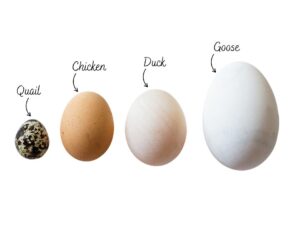
Chickens, ducks, geese and quail all offer us incredible edible eggs. Here's our guide to size and other characteristics as well as nutritional value.

Think of egg yolk as a fun reminder of where your backyard chickens diet came from, and watch the colors change with the seasons.

Are brown eggs more nutritious? Why do some eggs have two yolks? When do hens start laying? Here are answers to these questions and more.

What's the right chicken breed for your farm? Here's how to determine which breeds will best meet your poultry expectations.
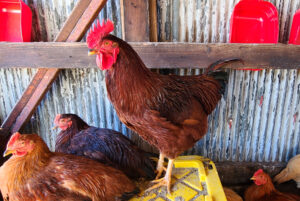
The Rhode Island Red is as American as its name depicts. With their friendly personalities and excellent egg production, it's easy to see how they have grown in popularity and will for years to come.

The Rhode Island White chicken is a versatile, cold-hardy, and friendly dual-purpose breed that deserves more attention in backyard and heritage flocks.
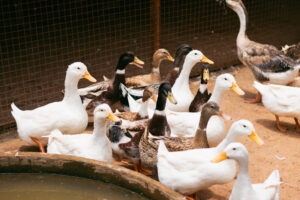
Introducing new ducks to a flock can be challenging, but understanding what to expect makes the process smoother and safer for everyone involved.
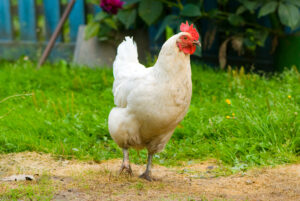
Understanding how a chicken’s body works—from the eyes and beak to the lungs, digestive system, and reproductive tract—gives flock owners a powerful advantage.

Get to Know the Different Feathers on Your Backyard Chickens
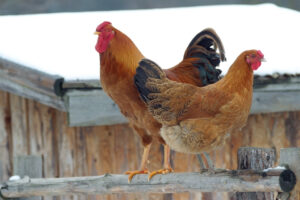
Use these diagrams to help you learn more about hen and rooster anatomy.
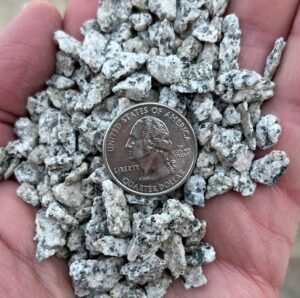
Calcium and insoluble gritstone work together for healthy chicken digestion and the best eggs.
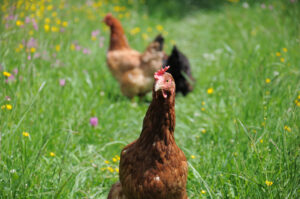
Summer tips for backyard chickens to help you give your flock the best care possible.