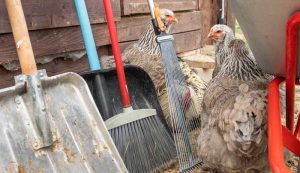
Spring and summer bring severe weather in the form of storms and tornadoes. Prepare your coop to keep your chickens safe.
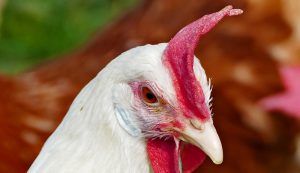
Chickens are better adapted to handle cold temperatures than heat. Here are ways to keep your flock safe during hot weather months.

Duck and goose eggs are quite different than those of chickens. Here are the basics about the eggs, breeds, yields and laying habits.

This round of contenders, led by a very thoughtful horse, includes a gorgeous chicken, a playful pig, curious camelids and a friendly donkey.

Have you found a nest full of crushed eggs? These steps will help you deal with these losses and the hen without losing your cool.

Building a chicken run can provide your flock more safety, but only if it's designed to keep predators out.

Do you want to convert your love of hatching chicks into a viable home business? Follow these steps to hatch chicks for other people.

Interested in putting your birds to work? Consider these possibilities for a homegrown poultry business, including eggs, feathers and manure.
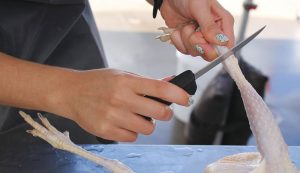
Processing broilers can be daunting or traumatic the first few times. Here's a step-by-step guide to minimize animal suffering and keep meat safe.

Unexpected illness or injury is part of chicken-keeping. Handle chicken emergencies better with these preparatory steps.

These products, including a generator, portable power supply and lantern, are aimed at those who want to live more independently and self-sufficiently.

Do you know the meaning of terms such as straight run, pip and zip, bloom, and hackle? Here's a starter kit of terms on chicken facts and physiology.