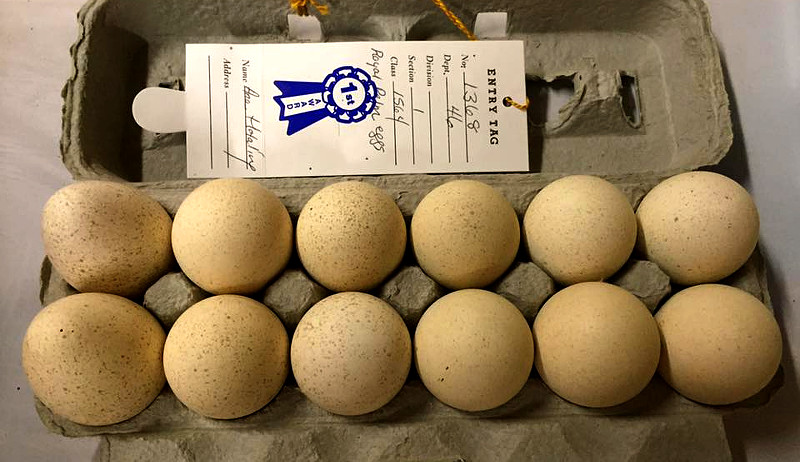
These suggestions will help you best showcase your hens' egg-laying abilities during egg competition at county fairs and similar events.

Some hens are repeatedly ravished by roosters yet shunned by fellow females. Help them regain and maintain well-being by following these steps.
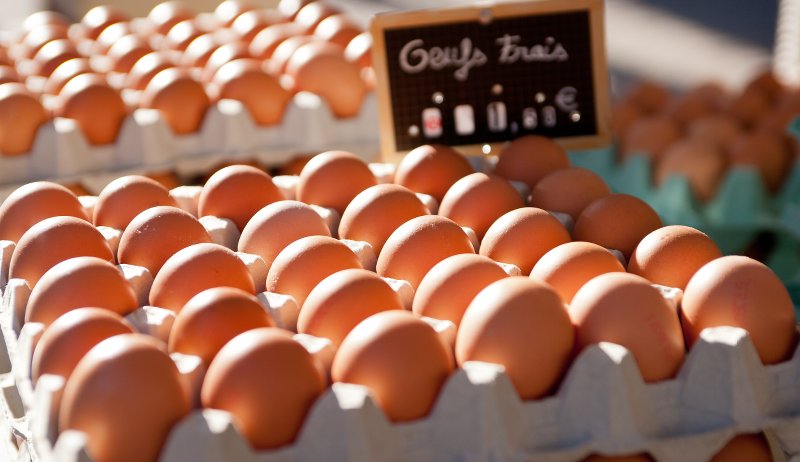
The FDA mandates commercial eggs be sanitized and chilled for consumer protection. The European Union—and U.S. small-flock farmers—know differently.

Goose eggs are much like chicken eggs, only bigger and a bit harder to crack. Here are several delicious ways you can eat the goose eggs you collect.

Even though temperatures are rising, your chicks aren't ready to stay outside overnight. Here's what you need to know about placing your chicks outdoors.
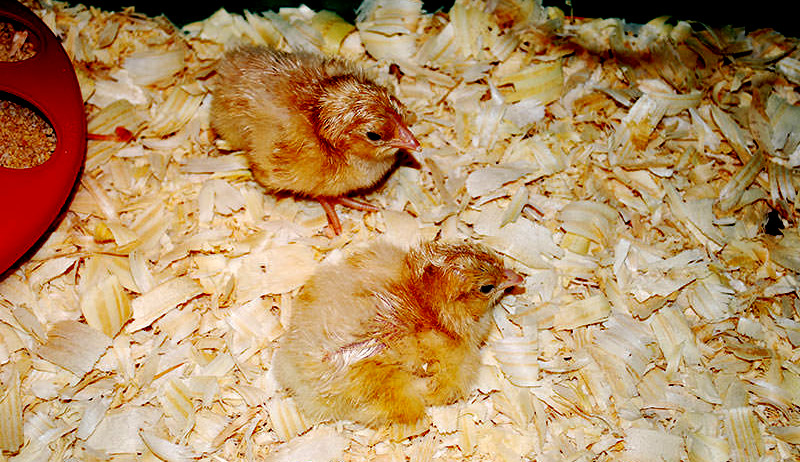
Here is the story in words and pictures of 4 chicks growing up, and our observations of raising chickens from egg to successfully mating in 23 weeks.

House sparrows bring health hazards and also eat chicken feed. Follow these methods to protect your flock from these small birds.

Keeping your flock internally healthy starts with what the chickens are or are not eating.

Surplus eggs from your hens can go toward charity, artwork, athletes, the deep freeze -- or the renewed health of your own hair.
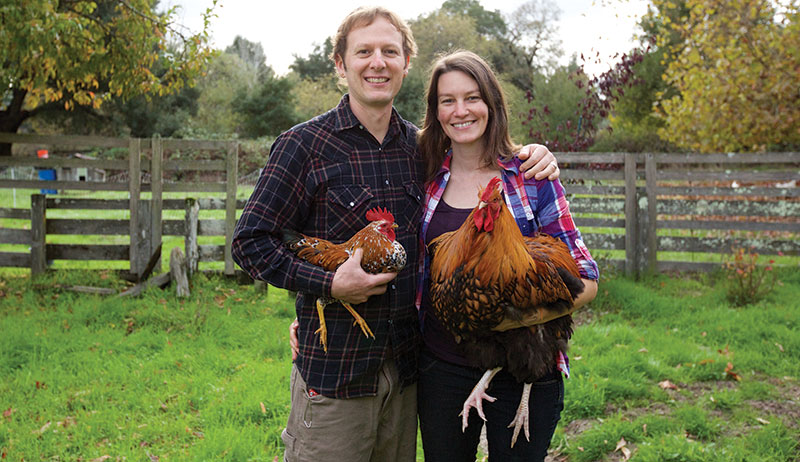
A fascination with colored eggs led a family to establish a Northern California hatchery that's home to many rare chicken breeds.

Chicken feed has many categories. Understanding terms such as natural, organic, medicated and non-GMO will help you choose the best feed for your birds.
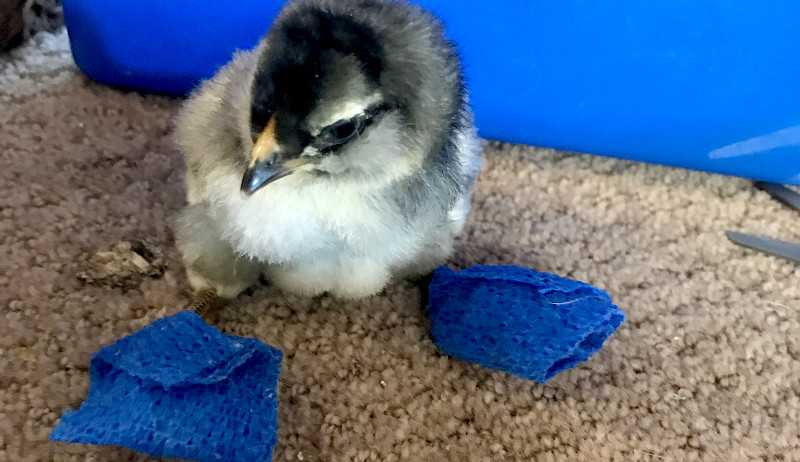
Crooked toe disorder is not life threatening, but following these treatment steps can mean an easier adult life for your bird.