Keeping your flock internally healthy starts with what the chickens are or are not eating.

Surplus eggs from your hens can go toward charity, artwork, athletes, the deep freeze -- or the renewed health of your own hair.
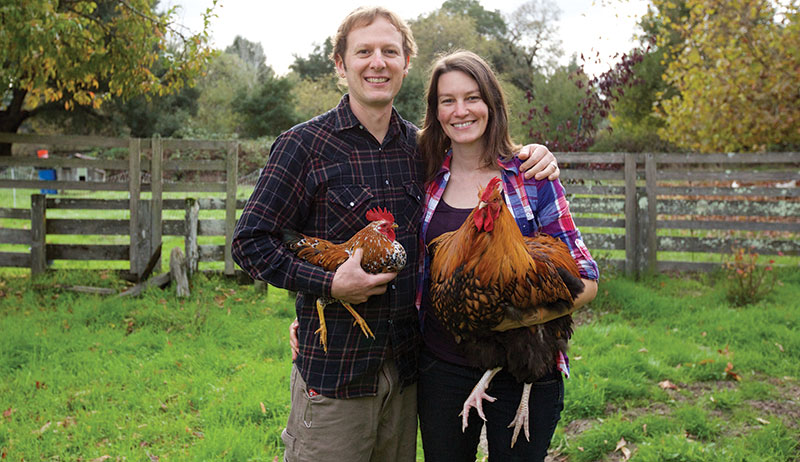
A fascination with colored eggs led a family to establish a Northern California hatchery that's home to many rare chicken breeds.

Chicken feed has many categories. Understanding terms such as natural, organic, medicated and non-GMO will help you choose the best feed for your birds.
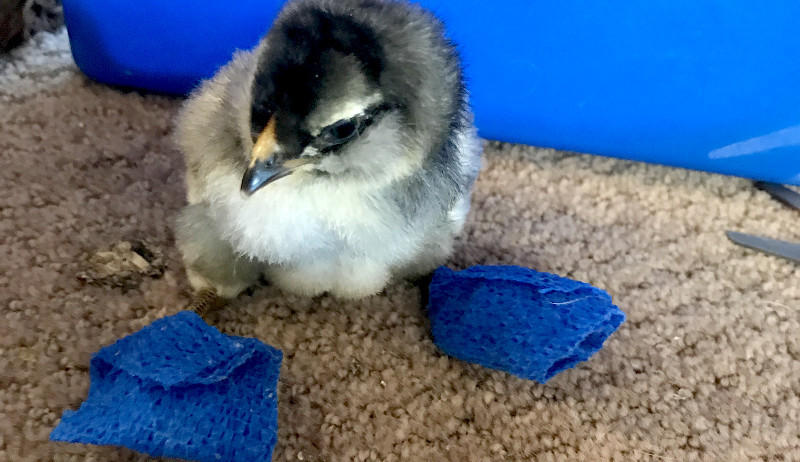
Crooked toe disorder is not life threatening, but following these treatment steps can mean an easier adult life for your bird.
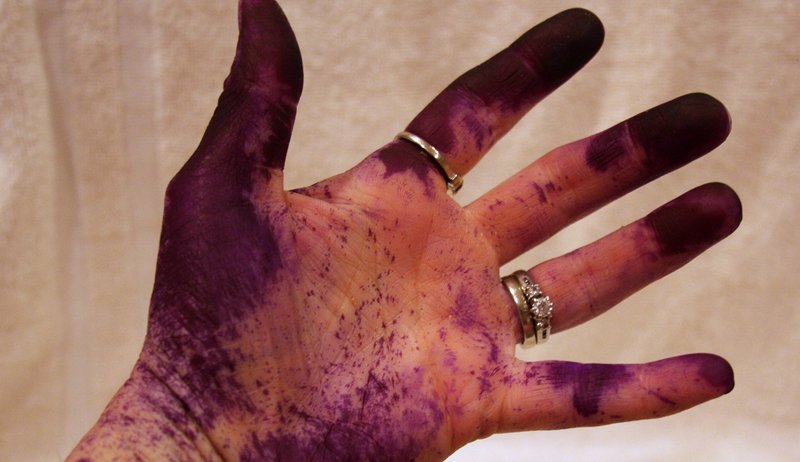
Once you've treated an injured chicken with the antiseptic remedy, you can avoid wearing this deep-colored badge of honor.

Ancient remedies, such as lavender oil, rose oil and frankincense, can clean henhouse equipment and also treat certain skin irritations and injuries.

Here's a guide to buying or making inexpensive windows that will open and close to keep your chickens cooler during summer and warmer during winter.

Hens continue to lay longer than some people believe, and older hens play pivotal roles in a flock's hierarchy.

The move designed to promote responsible use of antibiotics for food-producing animals will affect your backyard flock.

Help your flock by knowing what creates stress and anxiety in chickens, including predators, laying, diet, weather and spatial concerns.

With some time and patience, you can train your birds to gather for dinner, eat from your hand, jump for treats or take a bike ride.