Apple harvest season is one of the most rewarding times of the year, whether you have a single backyard tree or a small orchard. A productive harvest means baskets full of fresh fruit—but it also means having the right tools, containers and storage ready before the first apple is picked. Taking a little time to prepare ahead can make harvest day more enjoyable and help keep your apples in their best condition. Use these five simple steps to get ready for a successful apple harvest.
Apple Harvest Preparations: Key Takeaways
- Preparing tools, containers and storage before your apple harvest saves time and reduces stress.
- Harvest apples when they’re dry and weather conditions are favorable for the best picking experience.
- Only harvest as many apples as you can realistically store, preserve or use while they’re at peak quality.
Find and Prepare Apple Harvest Tools
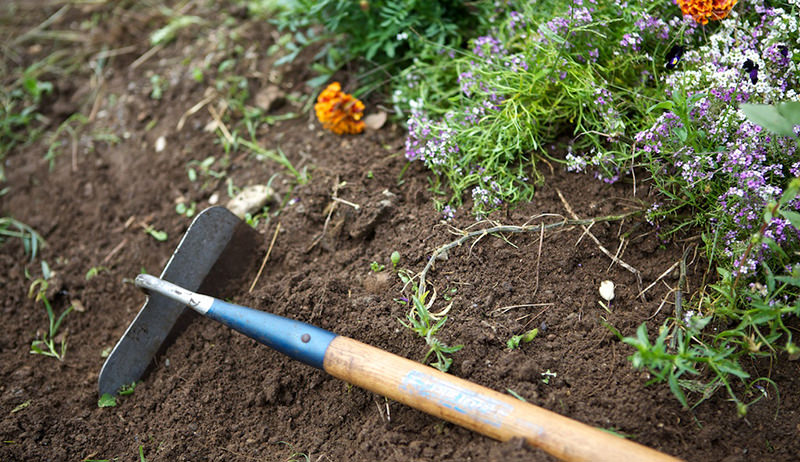
Even if you’re organized, farm tools that are only used once a year have a way of sneaking away and hiding in the backs of sheds, behind machinery, or in that spot where you “put them so you wouldn’t forget.” And since apple pickers are by nature an unwieldy item—you’re basically storing a 6-foot pole for 10 months of the year—they have a way of being tucked in an out-of-the-way location and forgotten. You don’t want to be scrambling around looking for your apple pickers on a sunny afternoon when everyone’s ready to harvest, so locating your tools early can be helpful. Also—it might be wise to give the apple pickers a gentle cleaning. You are harvesting food with this item, after all, so a wipe-down to remove dust can be smart.
Clean Your Containers
Likewise, the moment someone has a freshly picked apple in their hand, the next immediate question is, “where should I put this?” Having your baskets, bags, buckets, or tubs located, washed, dried, and ready ahead of time can make the entire harvesting process more laid-back. Bring more containers than you think you’ll need.
Prepare Storage Before Your Apple Harvest
Once the harvest is back in the kitchen, you’ll need to store the apples in a cool, dry place. Preparing plenty of room in the refrigerator ahead of time can make harvesting a snap. If you have a great deal of apples, you’ll probably want to freeze some, and a dedicated—and properly cleaned-out—freezer can again streamline your fruit harvest.
Choose the Right Weather for Apple Harvest
Wet, drippy apples soaked from the rain or dew aren’t much fun to harvest. So you might plan on avoiding early-morning harvests, especially on those late-summer/early fall mornings where dew and fog can settle so heavily. Likewise, a gray drizzly day might not be most ideal, either.
Harvest Only What You Can Use
Finally, plan ahead of time on harvesting a reasonable number of apples. It should be an amount that you and your helpers feel you can realistically harvest, collect, prep, and store in a reasonable timeframe. You’ll have more fun on your apple harvest if you keep it smaller!
Frequently Asked Questions about Apple Harvest
When is apple harvest season?
Apple harvest typically begins in late summer and continues through fall, depending on the variety and your growing region. Early apples may ripen in August, while many popular storage varieties are harvested in September and October.
Should apples be picked when they’re wet?
It’s best to harvest apples after dew or rain has dried. Dry fruit is easier to handle and store, and harvesting in dry conditions can help reduce the chance of bruising or spoilage.
How should I store apples after harvest?
Store freshly harvested apples in a cool location with good air circulation. Refrigeration works well for small harvests, while a cool basement or root cellar can be suitable for larger quantities if temperatures remain consistently cool.
How do I know when apples are ready to harvest?
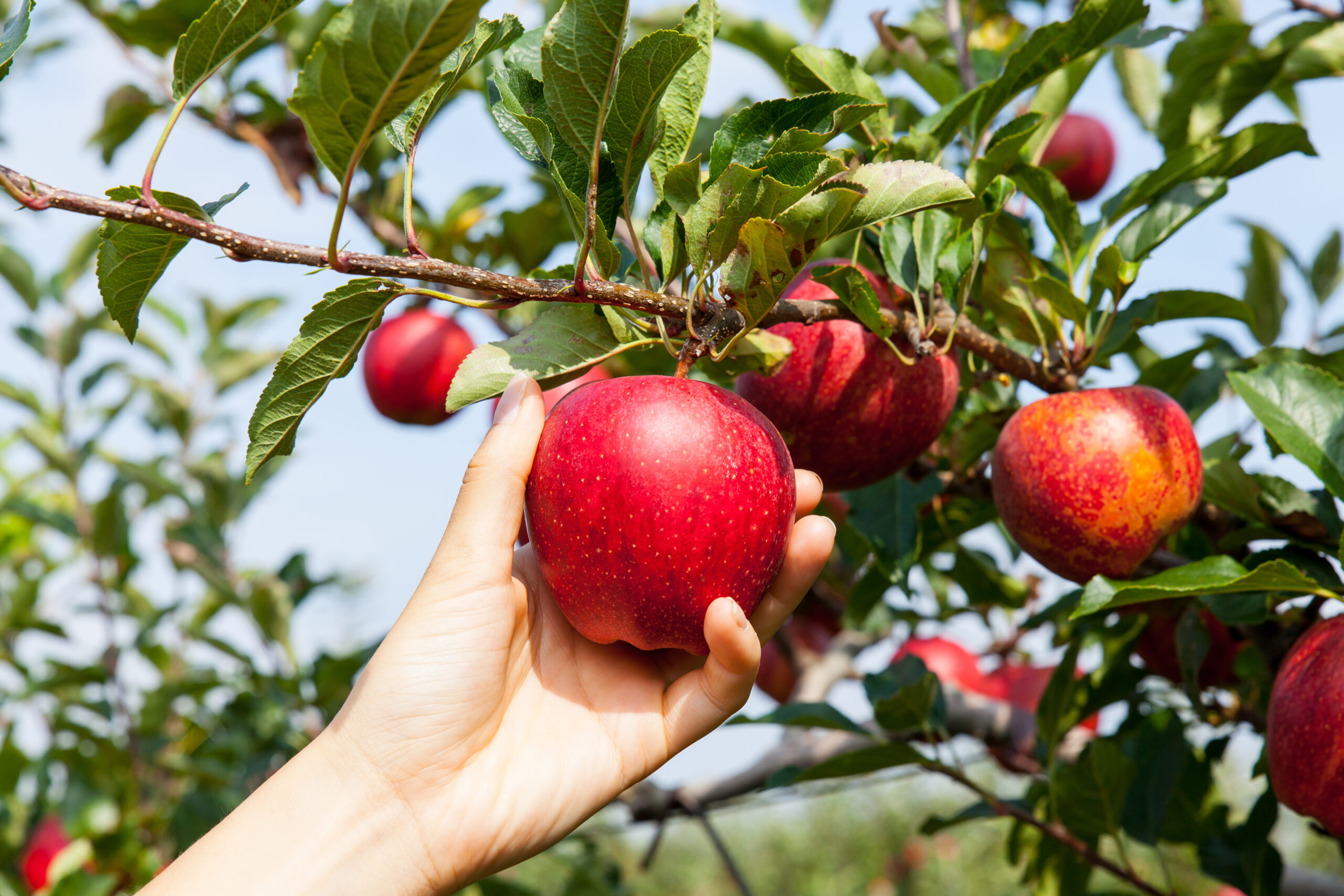
Ripe apples usually have full color for their variety, separate easily from the branch with a gentle twist and have developed their characteristic flavor. Since different varieties mature at different times, check your specific cultivar for its typical harvest window.
Final Thoughts
A successful apple harvest starts long before the first fruit comes off the tree. By gathering your tools, preparing clean containers, organizing storage space and choosing the right day to pick, you’ll spend less time solving problems and more time enjoying the harvest. Whether you’re collecting a few baskets from backyard trees or filling bins from a larger orchard, a little preparation goes a long way toward making harvest day productive and enjoyable.
Love growing your own fruit? Subscribe to Hobby Farms for practical orchard tips, seasonal gardening advice and homesteading inspiration delivered year-round.