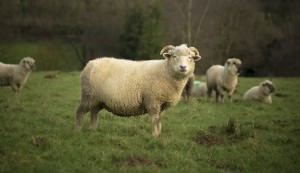
Dorsets are dual-purpose wool and meat sheep. Dorset ewes produce fast-growing, meaty lambs; twins are the norm.

A prolific breed that evolved from wild mountain sheep, the Finnsheep offers both meat and soft, lustrous wool.
The medium-sized Gotland is a true multipurpose, long wool sheep. They yield good-flavored, close-grained meat, fur skins and soft lustrous fleece. Gotland sheep still exist on the island of Gotland.
Try the Hampshire for an efficient meat producer, as well as fine, dense wool. Use as sires is also common.
These rugged, low-maintenance sheep produce mainly white wool and make a fine choice for hobby farmers.
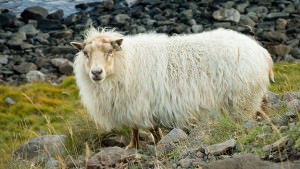
The medium-sized Icelandic are a good triple-purpose sheep: They offer meat, milk and the versatile, double-coated fleeces grown by this breed charm hand spinners with a wide and lovely range of natural colors. .
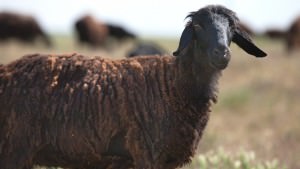
Karakul wool is an ideal medium for weaving fine rugs and saddle blankets as well as for felting. These sheep are one of the most ancient breeds.

Katahdins make hardy, low-maintenance meat animals and produce excellent lamb crops that hold appeal for specialty markets.

The Merino is justifiably famous for its wool. Hand spinners adore the Merino’s exceptionally fine fleece, which spins up into a soft yarn.
Miniature Cheviots can make great farm pets. Many Miniature Cheviots are white sheep, but they also provide wool in a variety of colors, from ranging black to pale beige and silver.

Navajo-Churros have a lustrous fleece composed of a strong outer layer and a soft undercoat which is low in lanolin. The open locks and wide color range make Navajo wool ideal for hand spinners and weavers. .
These fine wool producers, can do especially well in the southwest. They also yield good lambs.