Often referred to as the “Jersey” of the dairy goat world, the Nubian goat produces a creamy milk with a high butterfat and protein content, ideal for creating cheese, yogurt, ice cream, and soap.

Oberhasli produce a sweet-tasting milk with a butterfat content of around 3.5 to 4 percent. Their docile, quiet temperaments and medium size make them a wonderful breed for the farm dairy and for showing.

The versatile Pygora goat grows one of three types of fleeces for spinners: Type A, Angora, dangles in long, lustrous, curly locks; Type B blends the Angora mohair with the soft Pygmy undercoat, called cashmere; and Type C, the Cashmere type. .

Saanen (pronounced SAH-nen or SAW-nen) goats originated in the Saanen Valley of the canton of Bern in Switzerland, where they were selected for milking ability, hardiness, and color. Saanen average 1,975 to 2,000 pounds of 3 percent to 4 percent butterfat.

Savanna goats are premier meat goats; they produce delicious, mild-tasting chevon and lots of it. While they resemble their Boer cousins in all but coloration, Savannas are hardier, making them ideal goats for low maintenance input operations.

Some of the Spanish goat's colorful regional names suggest one of their primary uses: they're called "brush goats" and "briar goats" in the Carolinas, "wood goats" in Florida, "Hill goats" in Virginia, and "scrub goats" throughout their original range.

Toggenburgs are marvelous dairy goats. A Toggenburg doe, GCH Western-Acres Zephyr Rosemary, currently holds the Guinness Book of World Records title for giving 9,110 pounds of milk amounting to nearly 1,140 gallons in 365 days.
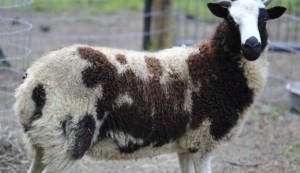
Often described as an "ornamental" sheep, the Jacob sheep can be raised for wool and lean, grass-fed meat.

Barbados Blackbellies are meat breed sheep ideal for low-input, organic, and grass-fed lamb operations.
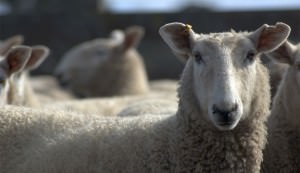
The long-wool Border Leicester--a favorites among hand spinners--was the sheep featured in the movie "Babe."

Dual-purpose Cheviots produce delicious meat and white wool. They're also known as Border Cheviots because they were originally raised on the border between Scotland and Northumberland in England.
The Clun Forest can be used to produce wool, meat and milk. They're an ideal sheep for grass-fed and organic lamb production.