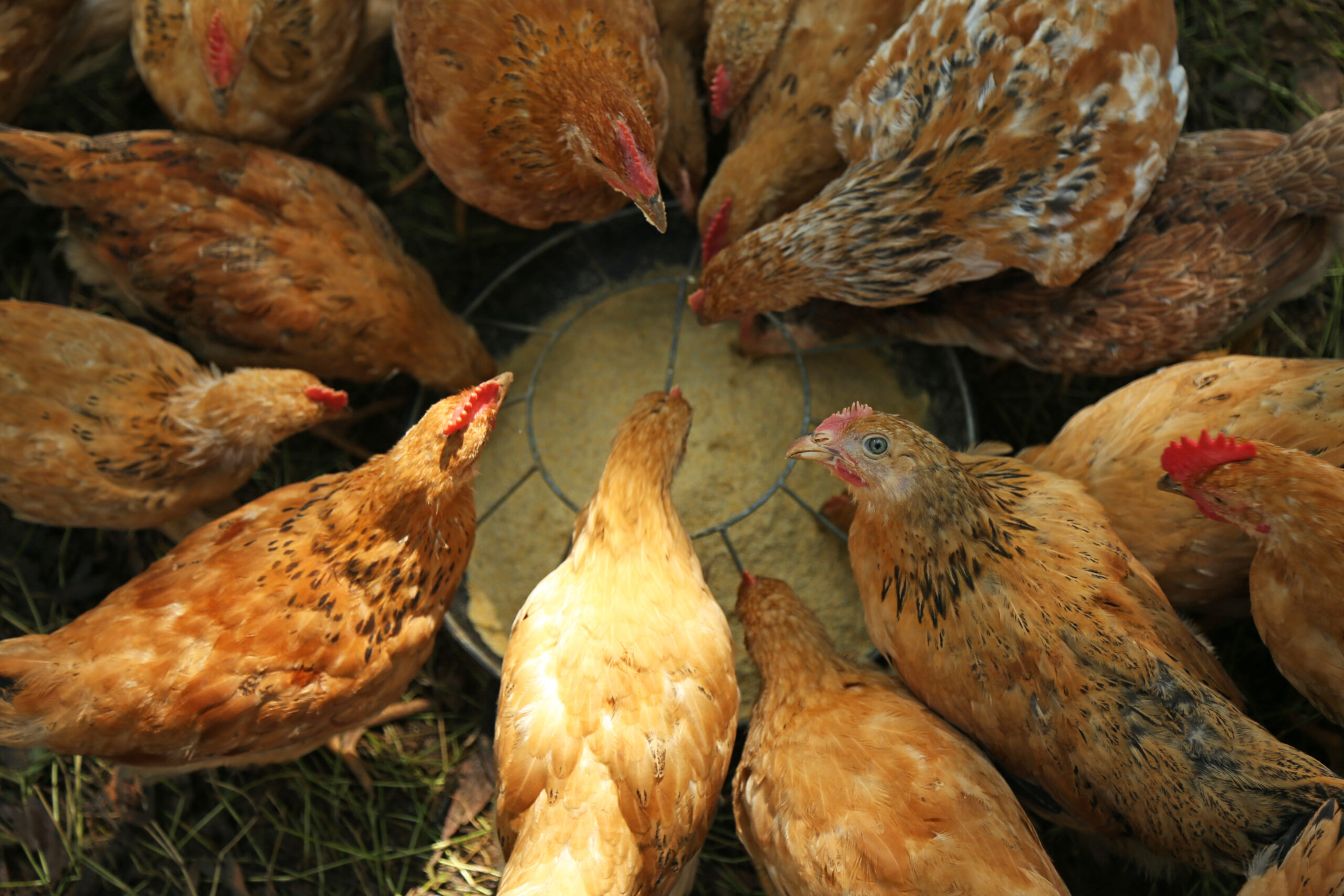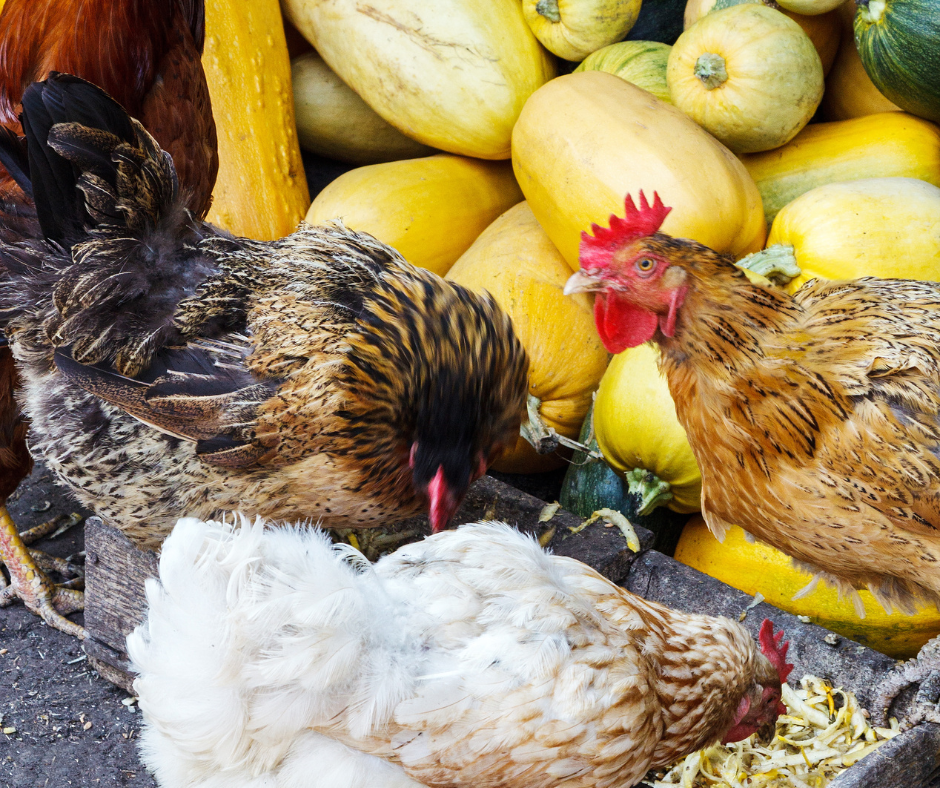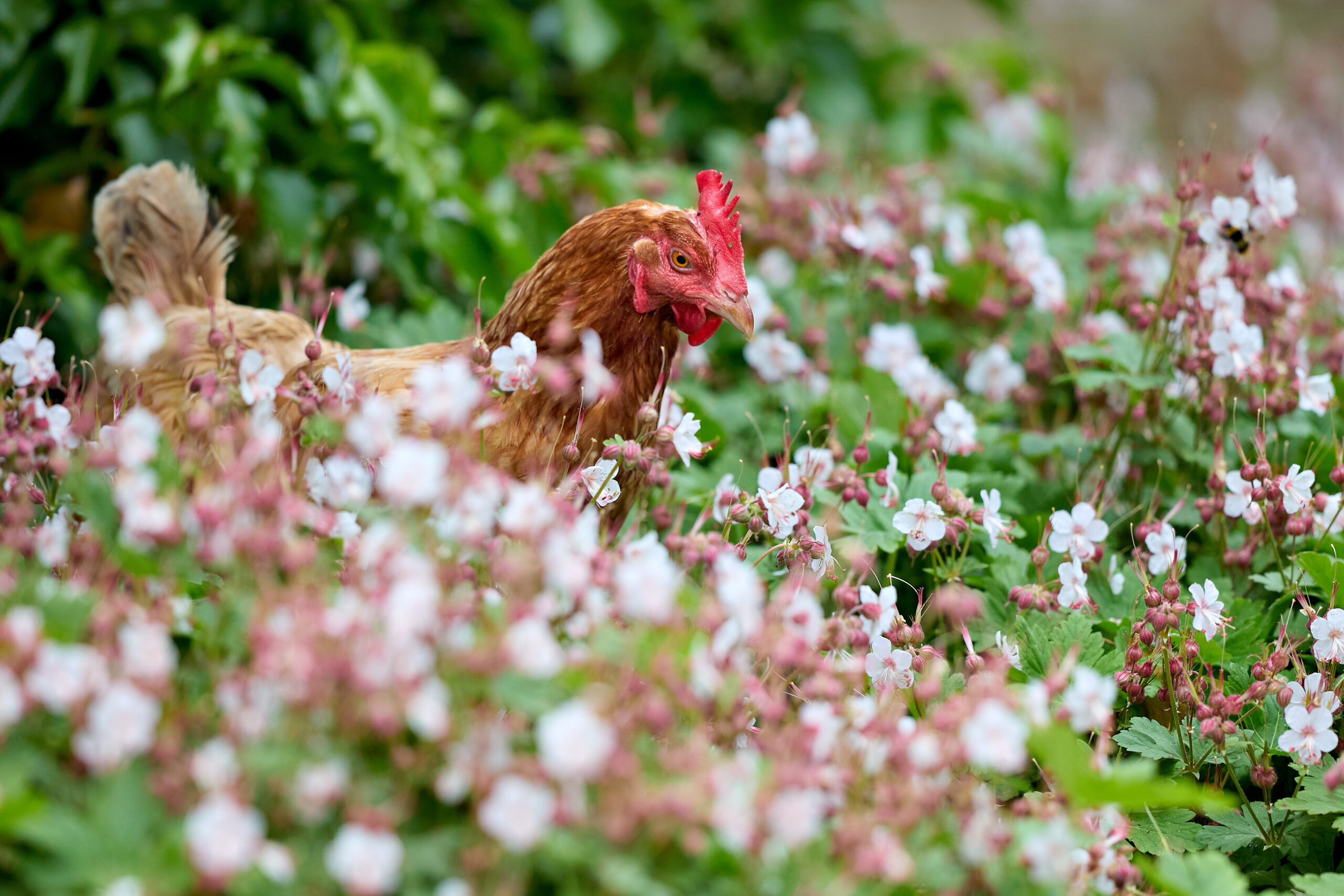
Can chickens eat flowers? Yes, many flowers are perfectly safe for chickens and can even provide vitamins, antioxidants, and other health benefits. However, not every flower belongs in the chicken run. Some common garden blooms are poisonous to poultry, while others may be unsafe if they’ve been treated with pesticides or other chemicals. Here’s how to choose safe flowers your flock can enjoy.
Key Takeaways
- Many flowers are safe for chickens, including dandelions, roses, basil flowers, hibiscus, white clover, and echinacea.
- Edible flowers provide vitamins, minerals, antioxidants, and other nutrients that support flock health.
- Always avoid flowers treated with pesticides, herbicides, or insecticides.
- Some common garden flowers, including daffodils, foxgloves, lilies, and rhododendrons, are toxic to chickens.
- Flowers should be offered as a healthy treat alongside a complete poultry feed.
Safe Flowers Chickens Can Eat
Can chickens eat flowers? Yes, chickens can eat a wide array of flowers, from flowering weeds and herbs to annuals and perennials. Many common flowers are edible for chickens, while others are not. But before we dive into harmful flowers, let’s take a look at some common edible blooms for your flock to enjoy.
Can Chickens Eat Dandelion Flowers?
Yes. Not only are these cheerful yellow flowers a delight to look at, they are also safe for chickens to consume. Dandelion blossoms are a good source of minerals and vitamins, including calcium, iron, potassium, and zinc and vitamins A, B, C, and K.
These beautiful blooms help to boost the immune system and support intestinal health. High in a natural carotenoid called xanthophyll, dandelion flowers can help deepen the color of egg yolks.
Like other beneficial greens, dandelion flowers can be fed free choice to your flock. One of the best things about dandelions is that they are easy to find, grow almost anywhere, and the entire plant, including the roots, is safe for chickens to consume.
Can Chickens Eat White Clover Flowers?
Yes. Chickens can eat white clover flowers. In fact, these delicate white blossoms seem to be a chicken’s equivalent of chocolate. High in antioxidants, clover flowers aren’t just tasty; they’re also highly nutritious.
White clover (Trifolium repens) is high in vitamins A and B and in minerals, iron and potassium. Both the leaves and flowers are a good source of protein and can be fed free-choice. White cover blossoms can also be added to nesting boxes for hens to nibble on as they lay.
While some chicken experts warn against feeding clover to chickens because of the plant’s blood-thinning properties, clover should not pose a health risk to backyard flocks if fed in moderation or when chickens are allowed to forage for their own greens.
Can Chickens Eat Hibiscus Flowers?
Can chickens eat flowers? What about hibiscus flowers? Yes, chickens can eat many kinds of flowers, including hibiscus flowers.
Packed with antioxidants, calcium, and vitamin C, hibiscus flowers support healthy immune and reproductive systems, lower stress, and improve digestion. Hibiscus flowers can also be fed to broilers to promote weight gain. Despite their health benefits, hibiscus flowers should be fed in moderation, as not much research has been studied on feeding hibiscus flowers to poultry.
Fresh blooms can be fed free choice to chickens, mixed dried flowers into their feed, or brewed into a cup of tea. To make hibiscus tea, bring one cup of water to a boil. Steep dried flower petals (or one tea bag) for ten minutes. Cool to room temperature before serving. Mix tea into one gallon of fresh, clean water for your flock to enjoy. Replace tea water with clean water after twelve hours.
Can Chickens Eat Rose Petals?
Yes, chickens can eat rose petals. Chickens love the taste of roses and will happily pick off all the petals within their reach. Unlike humans, the sharp thorns of the rose bush do not seem to deter chickens, so the only way to protect your roses is to keep your flock away from them.
Rose petals are high in vitamins A, B3, C, and E. These essential vitamins help to reduce stress and improve overall immune, digestive, and nervous system health. Rose petals are also reported to support vision, bone, and feather health.
Note: While they are edible and highly nutritious, roses are often heavily sprayed with pesticides. When feeding roses to your flock, never feed rose petals from plants that have been treated with pesticides, herbicides, or insecticides.
Can Chickens Eat Basil Flowers?
Yes. Basil leaves, seeds, and flowers are edible for chickens. Although the leaves can be fed fresh or dried, the flowers should only be fed fresh. Like dandelions, basil contains xanthophyll, the plant pigment that is responsible for the lovely deep-orange egg yolks chicken owners crave.
Excellent for respiratory and circulatory health, basil is also a good source of vitamins A and C, iron, potassium, calcium, and protein. Despite the plant’s highly aromatic powers, chickens who consume basil do not pass the flavor into their eggs.
Although this beneficial herb is safe for chickens, not all flock members enjoy the taste of fresh basil.
Can Chickens Eat Echinacea (Purple Coneflower)?
Echinacea is safe for chickens to consume. In fact, every part of the plant (flowers, leaves, and roots) is edible for your flock to enjoy. But this plant isn’t just edible; it works as a super herb.
Coneflowers help to ward off common chicken illnesses, including coccidiosis, respiratory problems, and viruses. These pretty flowers are also believed to promote wound healing and be antibacterial and antifungal.
High in antioxidants, Echinacea improves the overall health and stress levels in the henhouse and is one of the most beneficial blossoms for backyard flocks.
How to Feed Flowers to Chickens Safely
Flowers should always be offered fresh, clean, and free of pesticides, herbicides, or insecticides. Introduce new flowers gradually and offer them as occasional treats rather than replacing a balanced poultry feed. If your chickens forage in the yard, make sure toxic ornamental plants are fenced off or removed from areas they can access.
More Safe Flowers for Chickens
- Apple
- Borage
- Carnation
- Chamomile
- Chrysanthemum
- Dianthus
- Geraniums
- Lavender
- Lilac
- Marigold (French only)
- Nasturtium
- Pansy
- Snapdragon
- Sunflower
- Violet
- Yarrow
Toxic Flowers Chickens Should Never Eat
- Azalea
- Buttercup
- Daffodil
- Foxglove
- Henbane
- Honeysuckle
- Hydrangea
- Iris
- Lilies (including Lily of the Valley)
- Morning Glory
- Rhododendron
- St. John’s Wort
- Sweet Pea
- Trumpet Vine
- Tulip
- Vetch
Note: All flowers and plants, even those which are normally safe for chickens to consume, are not safe if they have been treated with herbicides, insecticides, or pesticides of any kind. To reduce the risk of accidental deaths caused by these harmful toxins, never feed chickens flowers or plants that have been sprayed with chemicals.
The lists above are just a few edible and non-edible flowers for backyard flocks. For a complete list of edible and toxic flowers for chickens, contact your state extension office.
Frequently Asked Questions
Can chickens eat flower petals?
Yes. Many flower petals, including rose petals, dandelion blossoms, and hibiscus flowers, are safe for chickens as long as they come from untreated plants.
Are garden flowers safe for chickens?
Some are and some are not. Before allowing chickens to eat flowers from your garden, verify that the plant is non-toxic and has not been treated with pesticides or other chemicals.
Can chickens eat flowers?
Yes, many kinds of flowers are edible for chickens, including dandelions, roses, and hibiscus.
What are the best flowers for chickens?
While there are many beneficial flowers for chickens, several varieties include echinacea, dandelion, and white clover.
What flowers should I avoid feeding?
There are many flowers that are considered toxic for chickens, but some of the most common are buttercups, daffodils, lilies, rhododendron, sweet peas, tulips, and trumpet vine.
Can chickens eat store-bought flowers?
No. Store-bought flowers should never be fed to chickens, as they contain harmful blooms and are treated with chemicals.
Can Chickens Eat Flowers? Conclusion
Can chickens eat flowers? Absolutely. Many flowers are nutritious treats that can add variety to your flock’s diet while providing beneficial vitamins, minerals, and antioxidants. Dandelions, white clover, hibiscus, basil flowers, rose petals, and echinacea are all excellent choices when offered from untreated plants. Just remember that not every bloom is safe, so always identify flowers before feeding them and avoid anything exposed to pesticides or other chemicals. With a little care, flowers can be a colorful and healthy addition to your chickens’ foraging routine.
Want more expert advice for raising a healthy, happy flock? Subscribe to Chickens magazine for practical tips on poultry care, coop management, breeds, nutrition, and more delivered right to your door.