Can garlic survive winter? Each fall, gardeners across the country take on one final, important task—planting garlic before cold weather sets in. While most garden beds are being cleared and put to rest, garlic is one of the few crops intentionally planted just ahead of winter. Timing varies by climate, but in most regions, garlic goes into the ground late in the season, just before the soil begins to freeze.
Can Garlic Survive Winter in Cold Soil?
The first reason that garlic can survive all winter in the cold is that it’s a bulb, just like your crocuses or daffodils. A root crop, by definition, when you plant garlic, you’re not planting a thriving, green plant, but a small dormant bundle of energy and potential. Because the growing garlic cloves will be under several inches of soil all winter, there is already a solid layer of insulating protection covering it. Plus, any snow that your garden receives contributes an additional layer of fluffy air pockets, further insulating your garlic from frigid air that might otherwise freeze the garlic to death. Many gardeners also experiment with a layer of mulch for insulation. This might be a particularly important step in a region that sees subfreezing temperatures but little accumulating snow.
How Garlic Survives Winter Naturally
The cells in your garlic cloves contain water. And if that water freezes, it will expand—destroying the cells and killing or damaging the garlic before it can even begin to grow next year. One survival technique that garlic uses is to produce natural antifreeze to prevent cold stress. The garlic converts starch into soluble sugars. These sugars lower the temperature required to freeze the water, resulting in cloves that can survive temperatures lower than the normal 32°F it takes to freeze water. Many cold-hardy plants function this way.
Additionally, when you plant garlic in the fall, it’s in a dormant state. So it’s not trying to produce sensitive leaves, and it’s not actively trying to grow, other than to perhaps develop a small root system before winter shuts down activity entirely. This also helps with winter survival.
When planting in the fall, don’t forget to leave that papery outer layer intact when you plant—it helps protect the bulbs, too! Hardneck varieties are generally more cold-hardy than softneck garlic types.
Not only does garlic survive the cold—it’s one of those plants that actually requires a cold period of freezing weather in order to grow properly. This is known as vernalization.
What Happens After Garlic Survives Winter?
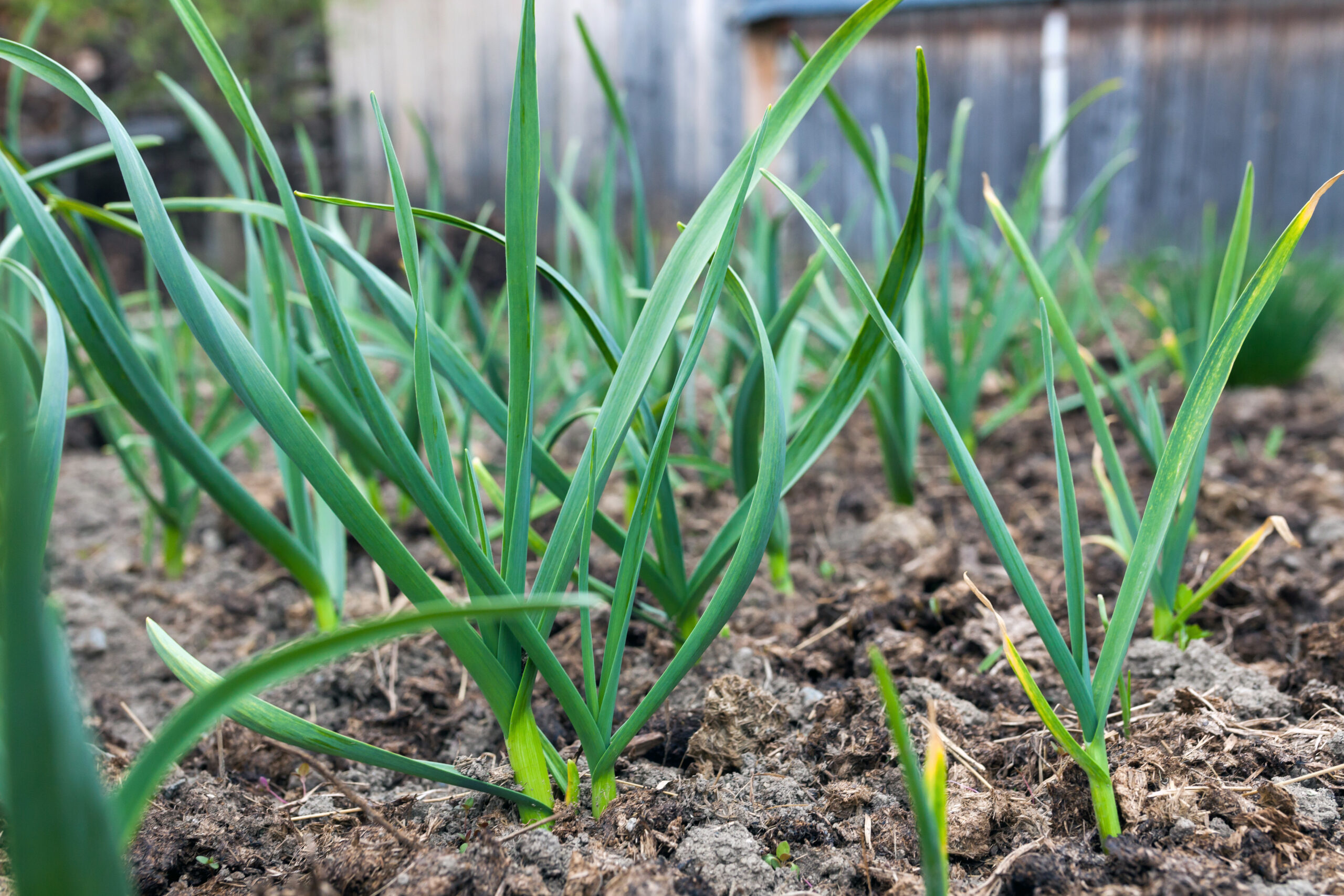
As unlikely as it may seem, don’t be surprised at the amazing hardiness of your garlic plants in the spring. In northern regions, it’s not uncommon to see young green shoots of garlic rising up to find the early spring sun—even growing up right through the remaining snow if necessary. This is perfectly okay. Even if these early shoots are hit by a freeze—and they might be—strong garlic should still be hardy enough to keep on growing until warm temperatures arrive permanently.
FAQ
Can garlic survive winter in very cold climates?
Yes, especially when planted in the fall. Garlic is naturally cold-hardy, particularly hardneck varieties. In extremely cold regions, adding a layer of mulch can help insulate the soil and improve survival rates.
Does garlic grow during the winter months?
Garlic typically remains dormant during winter. It may develop a small root system after planting, but most visible growth pauses until temperatures warm in early spring.
Should garlic be covered for winter?
In many areas, garlic benefits from a layer of mulch such as straw or leaves. This helps regulate soil temperature, retain moisture and protect against repeated freeze-thaw cycles, especially in regions with little snow cover.
What happens if garlic freezes?
Garlic is adapted to freezing conditions. Its cloves produce sugars that act like a natural antifreeze, lowering the temperature at which internal water freezes and protecting the plant’s cells from damage.
Does garlic need cold weather to grow?
Yes. Garlic requires a period of cold exposure, called vernalization, to properly form bulbs. Without this cold period, garlic may produce weak growth or fail to develop full bulbs
Conclusion: Can Garlic Survive Winter
Garlic is far tougher than it looks. Thanks to its bulb structure, natural cold defenses and ability to go dormant, it is well equipped to handle winter conditions in many regions. In fact, exposure to cold temperatures is not just something garlic tolerates—it’s something it needs in order to grow properly the following season. With the protection of soil, snow and optional mulch, garlic can survive winter and emerge in spring ready to thrive. For gardeners, that makes it one of the most reliable and rewarding crops to plant before the growing season comes to an end.
This article about can garlic survive winter was written for Hobby Farms magazine. Click here to subscribe.