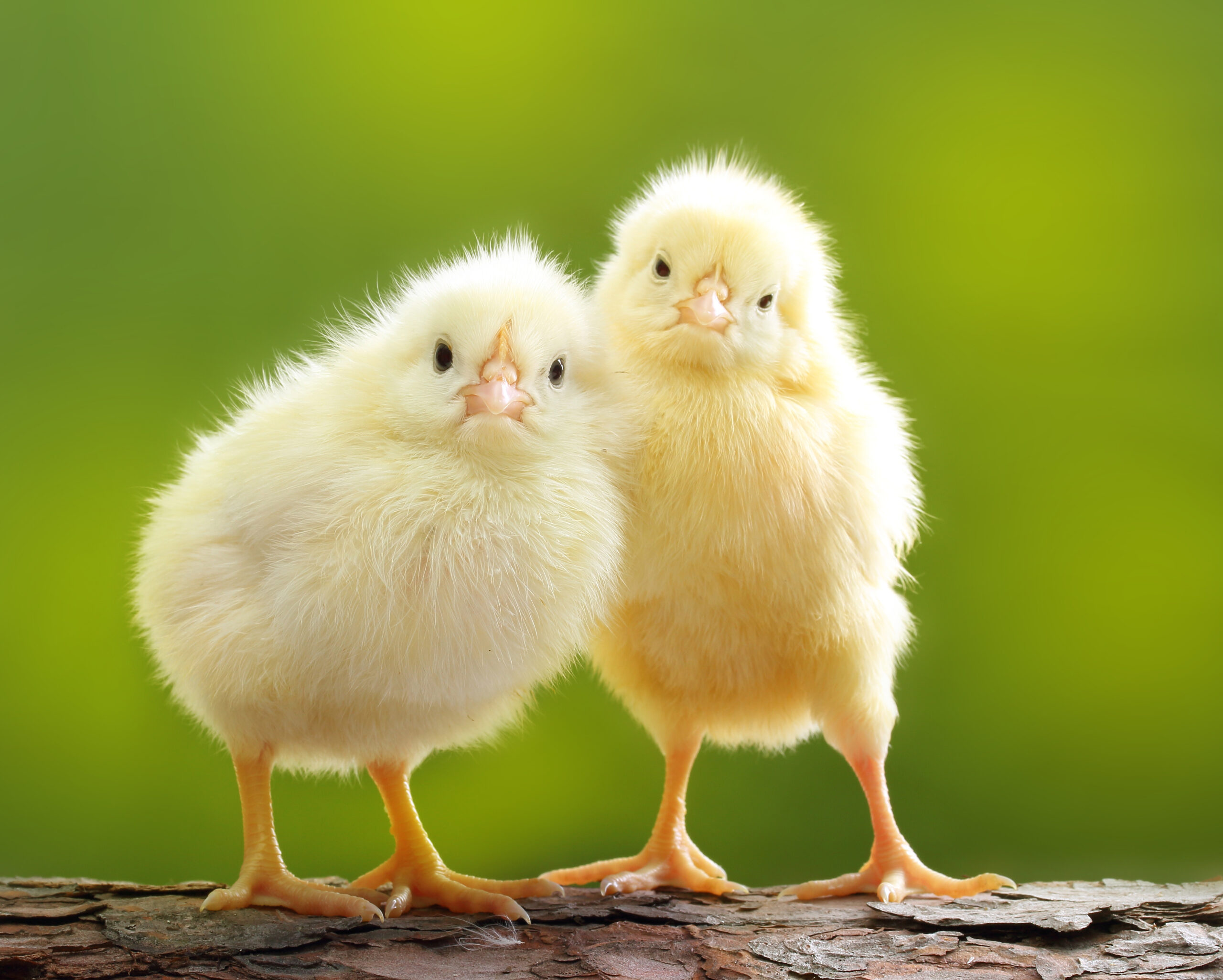
Pasty butt in chicks is a common issue many chicken keepers encounter during the spring chick-raising season. Spring always brings a sense of optimism on the farm. Despite everything happening elsewhere in the world, spring on the farm means planting, rebirth and new growth.
For chicken lovers across the country, springtime also means chicks are available once again.
During the winter months, hens slow down. While many laying breeds continue producing eggs, numbers are usually lower and very few hens go broody. Many birds also molt in the fall, so hatcheries typically pause chick shipments during the coldest part of the year. When spring arrives, however, healthy chicks become available again.
Springtime also means keepers have breed choices. Some people hatch their own chicks, but many suburban chicken keepers can’t keep roosters and prefer to maintain small backyard flocks. As a result, they purchase new chicks each year to replenish their hens.
Almost everyone who keeps chickens adds or replaces chicks from time to time. I consider myself a typical small-scale keeper with 15 to 20 hens and no rooster. You might keep more or fewer birds, or perhaps you’re considering raising chickens for the first time. Regardless, bringing home new chicks is always exciting.
But new chicks also come with responsibility. Day-old chicks—whether purchased from a feed-supply store or ordered through a hatchery—need constant care, including feed, water, warmth and protection.
And that means checking on them frequently during those first hours and days—including watching for issues like pasty butt.
What Is Pasty Butt in Chicks?
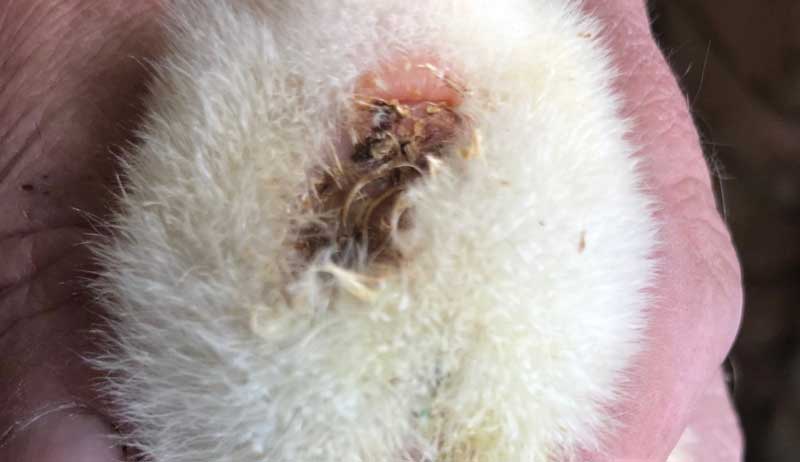
Pasty butt isn’t a disease but, rather, a condition that can be fatal to the newly hatched chick if it remains unchecked. Pasty butt is also not a deformity or something that can spread from chick to chick. In the beginning stages, pasty butt is relatively easy to spot and relatively easy to remedy. Remember, that’s in the beginning, and you’ll want to observe your new chick additions closely and frequently.
Pasty butt is exactly as the name implies. There’s no discreet way to discuss a simple condition that displays itself as an accumulation of pasty, gooey manure that begins to gather at the baby chick’s vent. You should note that pasty butt most often occurs in young chicks up to about 2 weeks old.
It would be very uncommon in chicks 3 weeks old and nearly unheard of after that.
Cases in chicks that old probably started earlier and went unnoticed when the chicks were younger. A baby chick is a tiny animal, especially bantams and some other breeds. That being the case, and since babies are covered with down, some poop (excreta) that doesn’t completely pass by the down near the vent may dry there and begin to gather each time the little hen or rooster poops. Pasting can eventually clog the vent, causing the chick to go off feed and water, resulting in weakness, lethargy, and eventual death.
Early on, I stated that pasty butt isn’t a disease. However, it is, or can be, a sign of symptoms or conditions that must be remedied. Anything that causes diarrhea in chicks will very frequently manifest into a case of pasty butt. Some of the conditions that may contribute to pasting are:
- variable temperatures
- stress
- poor feed or diet
- poor digestion that may lead to difficulties with high protein starter
- any number of bacterial or viral diseases
Let’s deal with each of these separately.
Bill Graves
Temperature Problems That Cause Pasty Butt
Temperature within the brooder box is as important as any of these factors and is usually the easiest to monitor. In the beginning, the brooder box should be around 95 degrees, depending on the time of day. Use a safe heat lamp and watch the chicks.
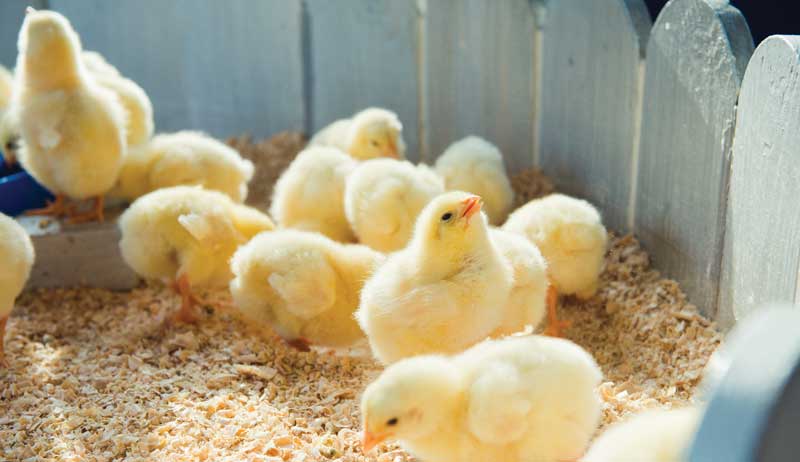
If they cluster under the center of the light and peep loudly or often, it’s a sure thing that the chicks are too cold and they’re trying to warm themselves under the light. The solution is to simply lower the light or increase the wattage of the lamp. Be sure to minimize or eliminate any drafts by keeping the brooder indoors and watch the babies’ reactions.
If babies now form a ring around the edges of the light cast by the lamp, they’re plenty warm and can’t tolerate the very center of the light source, where the heat is too extreme. Remember, be safe with light sources as they can be a fire hazard if too close to flammables.
Stress and Shipping Can Trigger Pasty Butt
Another concern can be stress. If you purchase baby birds from a feed-supply store, you can bet that they were hatched elsewhere and then sent through the U.S. postal service via same-day or next-day air. The result can be stressed baby chicks that have been away from a heat source, away from a natural mother hen and may have been handled poorly.
It’s best to bring your chicks home in a dark, closed cardboard box and in an enclosed and quiet vehicle. Have your brooder box ready with feed, water and warmth. As you place each chick in the brooder, check its vent and make sure it’s clear and clean from any initial stages of pasting.
This should be done at the store before purchase, if possible. If pasting is spotted, it can be dealt with right then and there. Put the chick in question back in your transport box, and take care of all the others so they begin to calm down and get used to their new digs. When all the others are settled its time to deal with the problem chick.
When chicks are just 1- or 2-days old, the excreta probably hasn’t hardened and can be easily wiped with a warm, moist cloth. If the poop has begun to harden, hold the damp cloth on the clump long enough to soften the mass and again try to wipe it free.
The harder the mass is, the longer this will take. But it will come free, and it must. Just be gentle!
After removal, dry the chick’s butt with a paper towel using light, gentle pressure. Many chicken handlers will apply a tiny amount of olive oil or other lubricant with a fingertip to the area once dry. Now that a case of pasting has been noted, take special care to check on that chick and all your new chicks more frequently.
Read more: Start hatching your own chicks with an egg incubator!
Digestive Issues That Lead to Pasty Butt
In the case of disease or digestive problems, only a couple of courses of action work. A newly hatched chick has a slightly underdeveloped digestive system, so the best practice is to keep water and feed as clean as possible for the first two weeks. That is always true much beyond two weeks, but pullets and older birds have higher bacterial tolerances.
Fortunately, diseases in chicks are infrequent, and bringing in a vet for a single chick or two isn’t financially feasible or even productive. The best practice is to purchase from a reputable feed-supply store or hatchery and simply feed medicated chick starter for the first two weeks or more.
Most feed-supply stores carry medicated chick starter at a reasonable price. The medication will at least prevent coccidiosis and other minor disorders.
Once pasty butt becomes evident, one is never totally sure of the cause. Treat the pasty butt, and nearly 100 percent of the time, the chick will fully recover if it isn’t related to some other serious disease. A true infestation of a virus or bacteria can be transmitted throughout your flock, so managing that situation is for a future discussion.
Fotikphoto/Adobe Stock
Poor Diet and Feed Problems
The final condition we’ll discuss that may manifest as pasty butt is poor feed or diet. I can’t stress enough that you should make every effort to keep chicken starter clean, dry and free of mold. Any of those could cause digestive disorders and stress to the young chicks’ systems. Again, we’re only here to discuss pasty butt, but this involves its prevention. Prevention is always better than a cure.
If you have spotted pasty butt and you’re sure all other factors are at acceptable levels, check their feed. Feeding a probiotic recommended by your feed-supply store and adding some corn meal to the chick starter is another alternative. Lastly, store your feed in a container that keeps out rodents that might urinate and soil otherwise clean appearing feed.
Pasty Butt in Chicks: FAQ
What is pasty butt in chicks?
Pasty butt is a condition where droppings stick to the down around a chick’s vent and build up, potentially blocking the opening. If left untreated, this blockage can prevent the chick from passing waste and may eventually lead to weakness or death.
What causes pasty butt in baby chicks?
Several factors can lead to pasty butt, including temperature fluctuations in the brooder, stress from shipping or handling, digestive immaturity, poor diet or contaminated feed, and illnesses that cause diarrhea.
How do you treat pasty butt in chicks?
Treatment involves gently removing the dried droppings from the chick’s vent. Soften the buildup with a warm, damp cloth, then carefully wipe it away. Dry the area afterward and monitor the chick closely to ensure the condition doesn’t return.
How long does pasty butt last?
Pasty butt most commonly affects chicks during their first two weeks of life. Once chicks grow stronger and their digestive systems mature, the condition usually stops occurring.
Can pasty butt spread between chicks?
No. Pasty butt is not contagious. However, the underlying causes—such as poor brooder conditions or contaminated feed—can affect multiple chicks at the same time.
How can you prevent pasty butt?
Prevention starts with proper brooder care. Maintain correct temperatures, reduce stress during transport, provide clean water and high-quality chick starter feed, and check chicks frequently during their first days at home.
The treatment of pasty butt is quite simple if you make constant observations when cleaning brooders, feeding, watering or just making frequent stops. Cleanliness and keeping the temperature right until the chicks are fully feathered—at about 8 weeks—are all best practices.
The bottom line is that pasty butt is common and normally a minor issue if you keep on top of the situation and its possible causes. By the way, chicks raised in natural situations by the mother hen almost never experience pasty butt.
Good luck with your new chicks, and don’t let a case or two of pasty butt shoot down that springtime optimism.
This article about pasty butt in chickens was written for Chickens magazine. Click here to subscribe.