Duck care in autumn involves more than stocking up on feed and bedding for winter. Fall is a good time to repair runs, clean coops, reinforce predator protection and prepare your flock for colder weather.
Duck Care in Autumn: Lawn Maintenance
It’s autumn, and it’s a fact about ducks that they are everywhere, engaging in their annual destruction of their run, the backyard, or wherever there happens to be a water source for ducks to play in. During the autumn months, ducks spend a lot of time engaging in a behavior nicknamed “mud drilling.”
When mud drilling, ducks splash water on the ground before beginning to tear away the grass with their bills. After the grass has been removed from the area, the ducks will splash more water to soak the ground, before digging with their bills in search of grubs. Depending on your flock’s dedication to the grub hunt, the size hole can vary from half-dollar to about the size of a chicken’s dustbathing hole.
Duck care in the fall includes filling in the holes with dirt and planting duck-safe, untreated grass seed, before covering the seed with straw to ensure regrowth in the spring.
Duck Care: Coop Cleaning and Maintenance
Fall is a good time to give your duck house a thorough cleaning. Dust, damp bedding and accumulated waste can contribute to poor air quality and increase the risk of respiratory problems, so clean housing is especially important as ducks spend more time sheltered during cold weather.
Remove old bedding and manure, then clean the walls and floor. Allow surfaces to dry thoroughly before adding fresh bedding. Good ventilation is also essential, even during winter, to help remove moisture and ammonia without creating drafts at duck level.
Managing Drakes in Autumn Duck Care
During the breeding season in spring and summer, some drakes become aggressive toward females or other males and may need to be separated. Their behavior may settle as the breeding season ends, allowing some flocks to spend more time together.
Continue monitoring the flock, however. Even if drakes seem calmer in autumn, aggression can return, and some birds may never get along. Provide enough space, multiple feeding and drinking stations, and a separate enclosure for any ducks that are being harassed or injured.
Predator Protection in the Fall
Predator protection is essential in every season, and fall is a good time to inspect the entire enclosure for weak spots. Check doors, latches, windows, fencing and the roof for gaps or damage.
House ducks in a completely predator-proof coop and run to protect them from a predator attack. Cover the roof and walls of the run as well as coop windows with half-inch 16-gauge hardware cloth to ensure no predators can access the coop or run.
Attaching predator skirts around the outdoor perimeter of the run and coop helps prevent digging predators from accessing the flock by tunneling underneath the enclosures.
Last, but not least, never house ducks in a coop with a dirt floor, as these floors are easy for predators to gain access to the resting ducks. Instead, ducks should be housed in a safe coop complete with a concrete floor or a wooden floor resting on a concrete pad.
A Cozy Nest: Comfort-Focused Duck Care
Autumn care for ducks can help you make winter more pleasant for your flock. The winter chills and damp, snowy conditions can be hard on a duck’s joints, so extra care is needed to keep them comfortable.
In late fall, spreading clean straw on the floor of the run offers ducks a snug place to lie in the sun on a cold winter morning without harming their joints.
Ideally, straw bedding should be six to twelve inches deep to provide enough space between your duck’s feet and the cold ground. Refresh straw as needed.
Seasonal Treats for Autumn
Autumn care for ducks includes having fun with your flock, and what better way to do that than by feeding them some of their favorite seasonal treats.
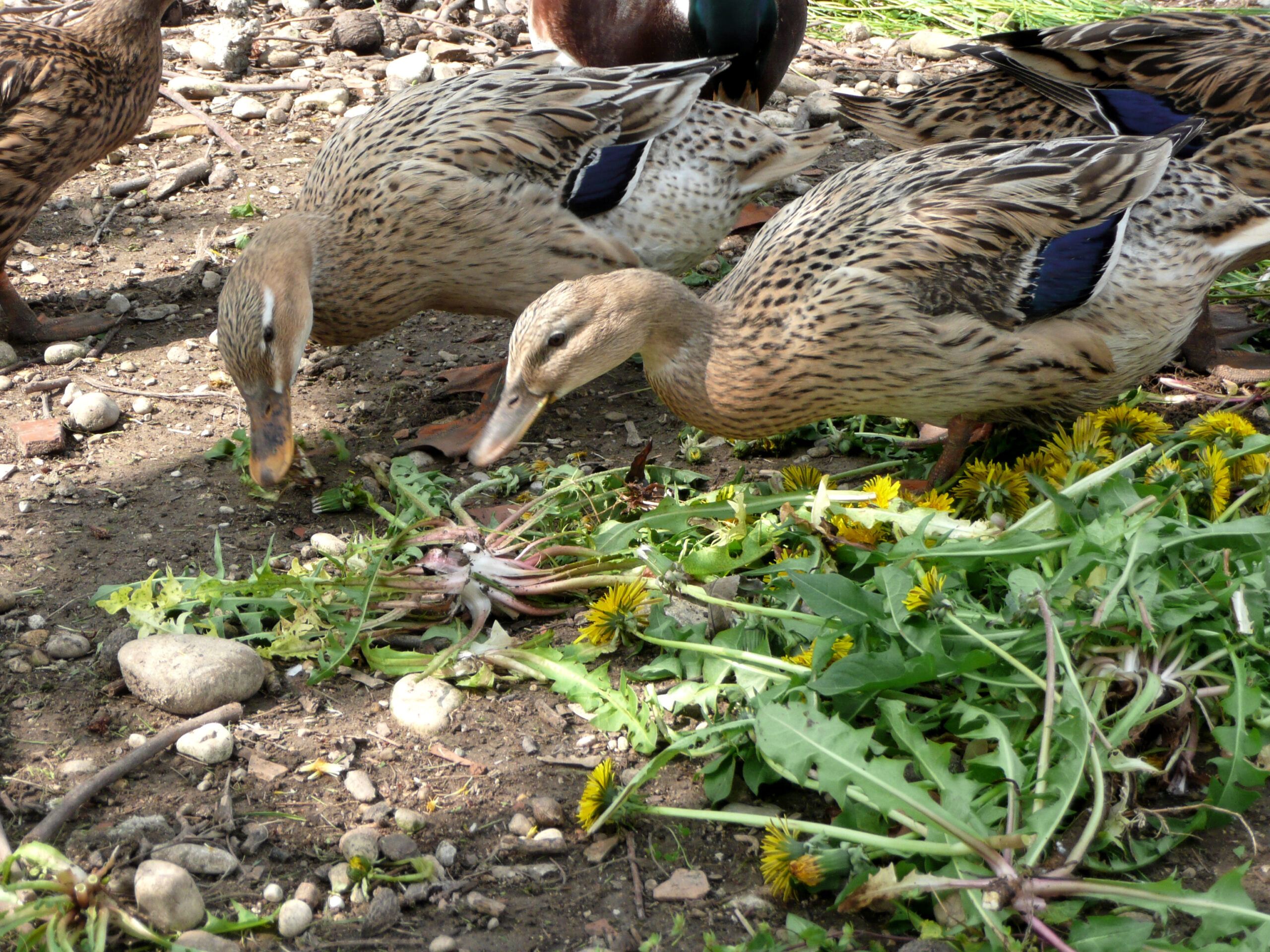
During the autumn months, ducks love to munch on fresh cool-weathered greens from the garden, peas, grated raw sweet potato, broccoli, cauliflower, and dried black soldier fly larvae.
Autumn treats are beneficial as many of these treats are high in protein and other nutrients that help ducks recover from the fall molt.
Safety Tips for Fall
As in all seasons, autumn comes with its own unique set of safety tips to keep your flock healthy, happy, and thriving.
- Due to birds of prey numbers increasing during the fall migration, keep ducks confined to the coop and run.
- Autumn is the perfect time to stock up on layer feed and oyster shell to prepare for the first duck egg from young layers.
- While ducks are not usually susceptible to internal parasites, sending in an annual fall stool sample to your local waterfowl vet is a good idea.
- Autumn is the time when rodents try to take up residence in your snug coop. Protect ducks by rodent-proofing the coop, keeping mouse traps out of your flock’s reach, and avoiding the use of poison.
Duck Care Around Wild Waterfowl
Protecting your domestic ducks from wild waterfowl is an essential tip for autumn care for ducks. During fall and winter, large groups of ducks and geese gather on ponds, and if your pond is a wild waterfowl hangout spot, your flock could be in danger.
Wild waterfowl often carry diseases that can make domestic ducks (including Muscovies) sick and even kill them. Wild ducks and geese are also likely to injure domestic ducks in a battle, so keeping your flock off the pond is a good idea.
Another downside to allowing ducks on a pond is the inlet. Inlets bring water to the pond from other water sources that may be occupied by wild waterfowl. Therefore, your flock can still contract diseases such as the avian flu from drinking the infected water.
An Autumn Care Checklist
Fall can be a busy time of the year, so if you’re finding yourself trying not to forget anything on your autumn care for ducks list, creating a checklist can be helpful.
Final Thoughts on Autumn Care for Ducks
Autumn care will help your ducks stay comfortable and healthy all season long, and make a smooth transition into the winter months.
This article about duck care in the fall was written for Hobby Farms and Chickens magazines. Click here to subscribe.