Egg yolk color can range from nearly white to deep orange, and it’s a surprisingly accurate reflection of what your hen has been eating. During the course of your breakfast, baking, and culinary adventures, you may have noticed that the color of an egg yolk is not always consistent. There can be quite a range of tones from pale to dark. And maybe you have some hens of your own, and the color of their egg yolks doesn’t quite match the color of egg yolks from the store. So what affects egg yolk color? And does it affect the taste or nutritional value?
Key Takeaways
- Egg yolk color is primarily determined by a hen’s diet, especially the level of carotenoids in the feed and forage.
- Carotenoids are plant-based pigments found in foods like corn, alfalfa, tomatoes, and leafy greens, which hens consume and pass into their eggs.
- Lighter yolks are typically associated with grain-heavy diets, while darker orange yolks are more common in hens with access to pasture or varied plant material.
- Seasonal changes in available forage can cause noticeable shifts in yolk color throughout the year, with deeper colors often seen in summer.
- Egg yolk color does not significantly affect nutritional value—protein, vitamins, and minerals remain consistent regardless of shade.
- Flavor differences may exist anecdotally, with richer yolk color sometimes linked to more diverse diets, but evidence is limited.
How Hen Diet Affects Egg Yolk Color
Turns out, the reason is pretty benign. The color of an egg yolk hinges mostly on the diet of the hen. Specifically, it depends on the amount of carotenoids that the hen’s diet contains. You might recall that word—carotenoids—as the pigments that give things like carrots, pumpkins, tomatoes, corn and other plants their various colors. These pigments tend to lean towards the long wavelengths of the color spectrum—think red, orange, and yellow.
Animals don’t manufacture these pigments themselves; they obtain them from plants that they eat. So your egg yolk color depends directly on what foods your hen consumes, and how many and what types of carotenoids they contain.
Why Egg Yolk Color Varies from Pale to Dark
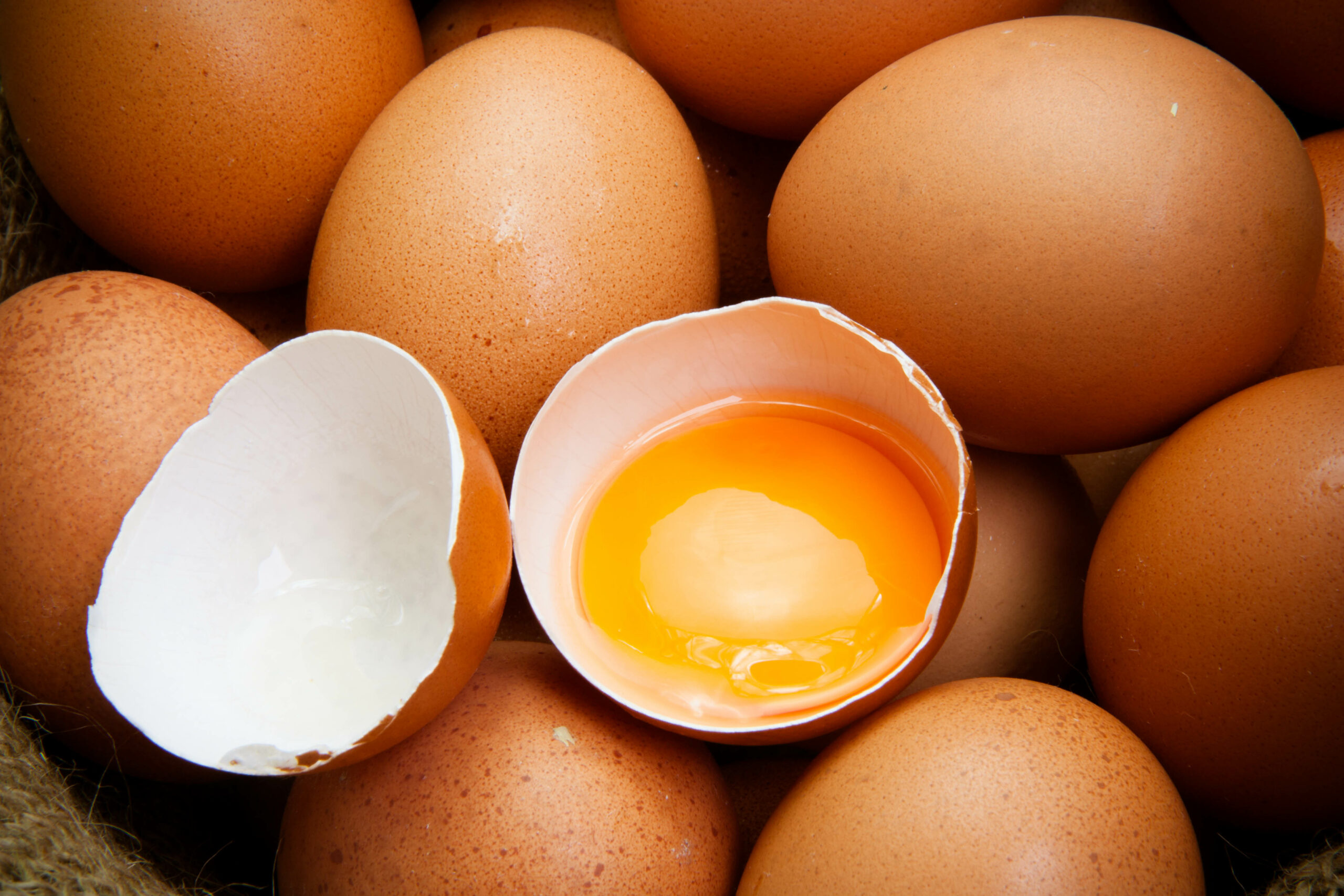
You can find eggs with yolks that are nearly white, some that are a deep red, and most somewhere in between. There’s even an industry-standard color checker chart, known as the DSM Yolk Color Fan, on which yolks can be judged.
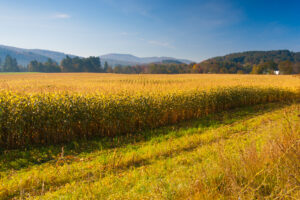
- Hens that consume plenty of grains in their diet—cornmeal, wheat and barley tend to lay eggs with light-colored yolks.
- Hens that enjoy alfalfa might see vividly yellow yolks.
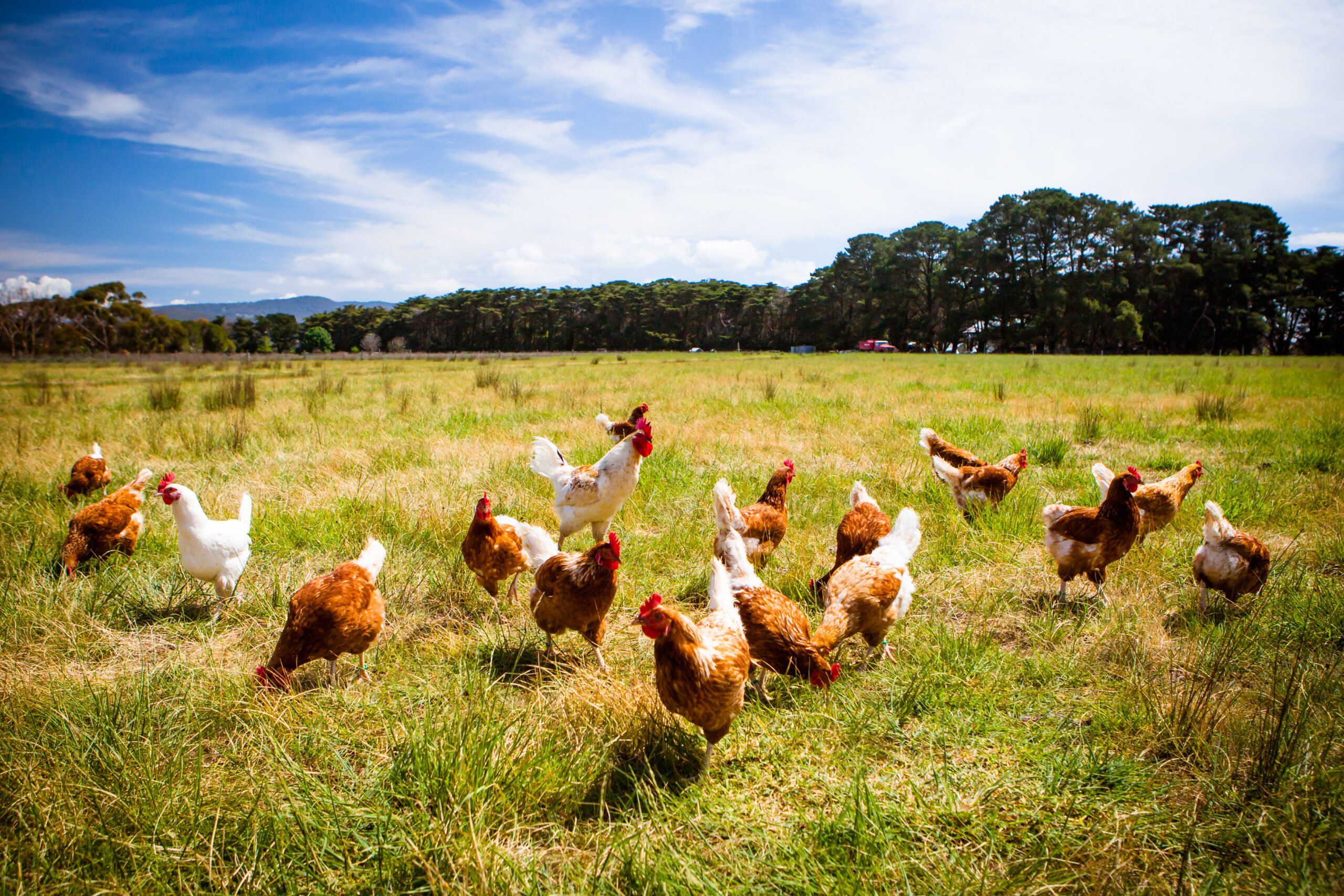
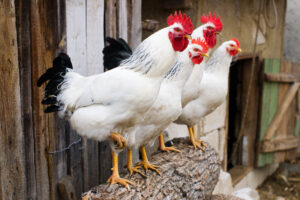
- Free-ranging chickens and those with access to pasture often produce more yolks with an intense orange color, thanks to the variety of edibles they may come across during their travels, including seeds and bugs.
- Seasonal changes in yolk color are quite common—you’ll see brighter colors during the summer when peak grazing is in place. And you may see very pale yolks during the winter, when the hens aren’t eating plants with carotenoids.
- Some chicken owners even try to make the yolk color richer by supplementing their hens’ meals with certain flowers.
Does Egg Yolk Color Affect Nutrition?
Should you particularly care about the yolk color? Does yolk color affect nutrition in any meaningful way?
Nope—not to any degree that matters. Regardless of yolk color, you’ll still get all the terrific protein, vitamins, and antioxidants that make eggs such a popular “power food.”
What about taste? It’s definitely under-studied, but it seems that darker/richer colors—where the hen’s diet was more varied—may make for a slightly more flavorful egg.
But really, there is little reason to focus on this. Instead, just think of egg yolk as a fun reminder of where your backyard chickens’ diet came from, and watch the colors change with the seasons.
FAQs
What determines egg yolk color in chickens?
Egg yolk color is mainly determined by a hen’s diet, specifically the amount and type of carotenoids she consumes. These pigments come from plants and are transferred into the yolk during egg formation.
Do darker egg yolks mean healthier eggs?
Not necessarily. While darker yolks often come from more varied diets, the overall nutritional value of eggs remains largely the same regardless of yolk color.
Why are some egg yolks pale yellow or almost white?
Pale yolks usually come from hens fed primarily grain-based diets such as corn, wheat, or barley, which contain fewer pigment-rich carotenoids.
Do pasture-raised chickens lay darker yolk eggs?
Yes, pasture-raised hens often produce deeper orange yolks because they eat a wider range of plants, seeds, and insects that contain carotenoids.
Does egg yolk color affect taste?
It may slightly. Some people report richer flavor in darker yolks, likely due to more diverse diets, but scientific evidence is limited.
Can egg yolk color change during the year?
Yes. Yolks often become darker in spring and summer when hens have access to fresh forage, and lighter in winter when diets are more grain-dependent.
Egg Yolks: Final Thoughts
Egg yolk color is more than just a visual detail—it’s a subtle reflection of season, diet, and lifestyle. Whether your hens are pasture-raised, supplemented with vibrant greens, or fed a simple grain mix, the yolk color tells part of their story. While it may not significantly impact nutrition or taste, it offers a fascinating glimpse into the life of your flock. Keep an eye on those shades—they might just tell you more than you think.
This article was written for Hobby Farms and Chickens magazines. Click here to subscribe.