There are times in life when you choose your garden plants, and other times when your garden plants choose you. I much prefer the latter. These are the plants I often cherish the most and most look forward to using what they have to offer. It also takes a lot of pressure off having to select the “right” plant. So when my best friend brought me back elderberry canes from her trip to Tennessee, I was elated.

Rachael Dupree
Elderberry is one of my favorite herbs to work with. It’s high in vitamin C with abilities to ward of cold and flu, so I make a tincture with it that is a staple in our household during winter. That said, it’s also a native berry that gets very little play among the strawberries and blueberries of the world. Small and tasty, elderberry can be used for any number of homemade treats, including elderberry jam and syrup as well as elderberry wine. We also must not overlook the value of its flowers, which can be added to a multitude of handmade novelties: lotion, syrup, jelly, lemonade—doesn’t sipping on elderflower lemonade in the heat of summer sound just divine?
My friend brought back 13 canes of three American elderberry cultivars: Adams, Ranch and Bob Vezch (no-nonsense names for what I’ve always considered to be a whimsical plant). We will share the planting and tending of these baby elderberries. The canes will eventually grow into large shrubs—often even considered trees—5 to 12 feet tall, but our first task is to get them rooted.
Rooting Elderberry Canes
The rooting process is fairly simple. There are two ways you can go about it: in water or in soil. We opted for soil because rooting in water requires changing the water often, and, well, I’m forgetful.
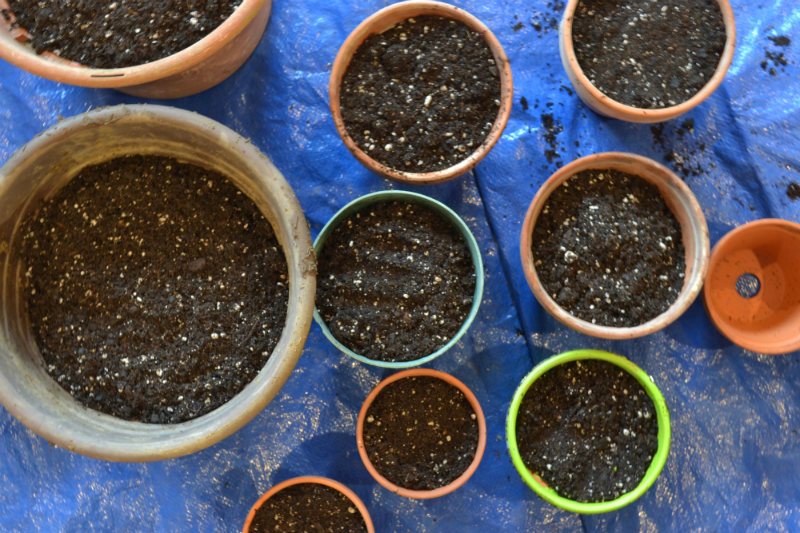
So we gathered a bunch of small pots and a bag of potting soil.
Rachael Dupree
Before sticking each of the canes in the soil, we coated the tips with honey, which acts as a rooting stimulant to protect the cutting from fungus and disease.

Rachael Dupree
We placed the canes in the soil, being sure to bury each one above the bottom nodes of the cane. We planted one cane per small pot, but in the larger pots, we put three or four canes.

Rachael Dupree
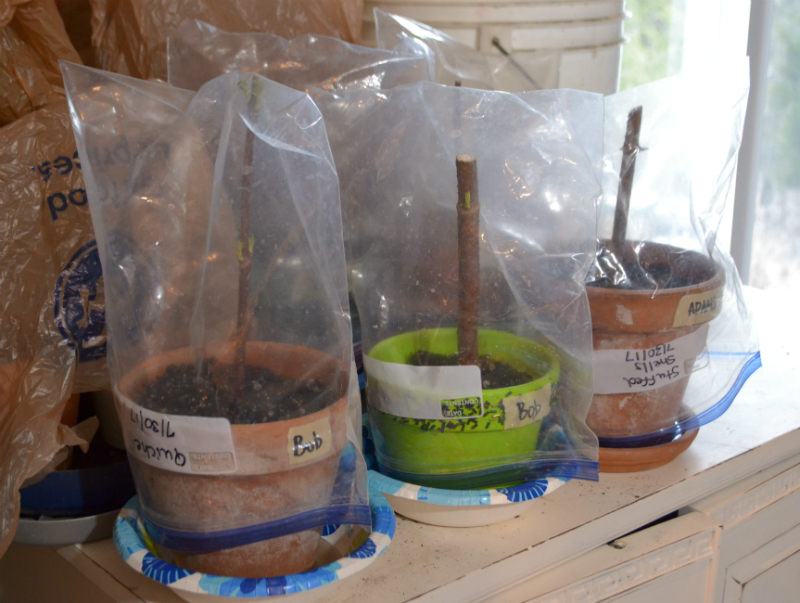
Then we watered our baby elderberries and covered the pots with plastic bags. This creates a greenhouse effect—keeping the plants warm (we’ll set them in a cool mudroom) and keeping moisture in.
Rachael Dupree
After that, we wait. It can take six to eight weeks for the canes’ root systems to develop, which means they’ll be ready to plant outside at about the time spring weather arrives. The hard part for me will be selecting their final home—I’m always noncommittal when it comes to perennials. I guess I have a little bit of time to think about it.