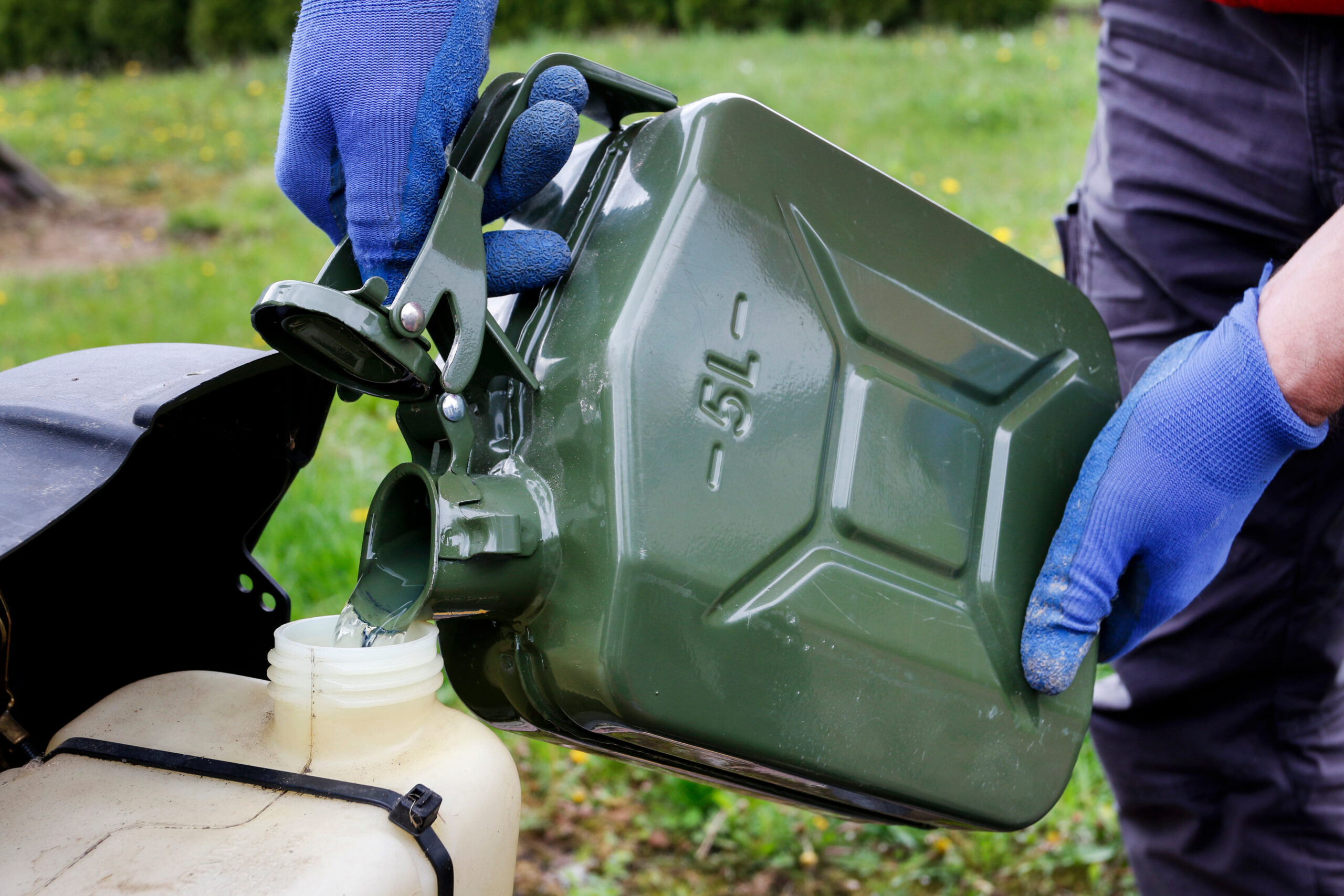
Can you use ethanol for farm equipment? Using ethanol gas on the farm has some benefits. We’re typically looking at the common E10 blend, standard in the U.S, which consists of 10% ethanol and 90% gasoline. Using E10 for farm equipment can make some financial sense, as E10 is often less expensive than 100% gasoline. It’s also far more widely available, so E10 is easily sourced. So is it a good fit for your gasoline-powered tractors and other farm equipment?
Pros and Cons of Ethanol For Farm Equipment
Generally, yes, E10 gasoline is fine to use. But there are some caveats. E10 is designed with the idea that it’s going to be used in vehicles—and used frequently. Most vehicles don’t spend a lot of time in storage—they’re on the road, going through a tank of gas with relative speed. Problems with ethanol can pop up when a machine—like a tractor—sees more storage time, perhaps in the off-season.
Gasoline itself cannot mix with water, but the 10% ethanol content of E10 can—it’s hygroscopic, meaning it’s water-soluble and actually attracts moisture into the fuel system. While not an issue in the short term, machines that are stored with E10 can see rust and deterioration occur due to the water molecules introduced by the ethanol. Proper storage techniques are required to keep this from occurring.
Also, older machinery built before 1995 may definitely see some other downsides from ethanol, including the deterioration and corrosion of rubber gaskets, fuel lines, and other parts.
But for newer farm equipment that is used frequently and properly maintained, E10 should pose no serious problems—go ahead and use it (following manufacturer recommendations of course).
Using Ethanol in Small Farm Engines
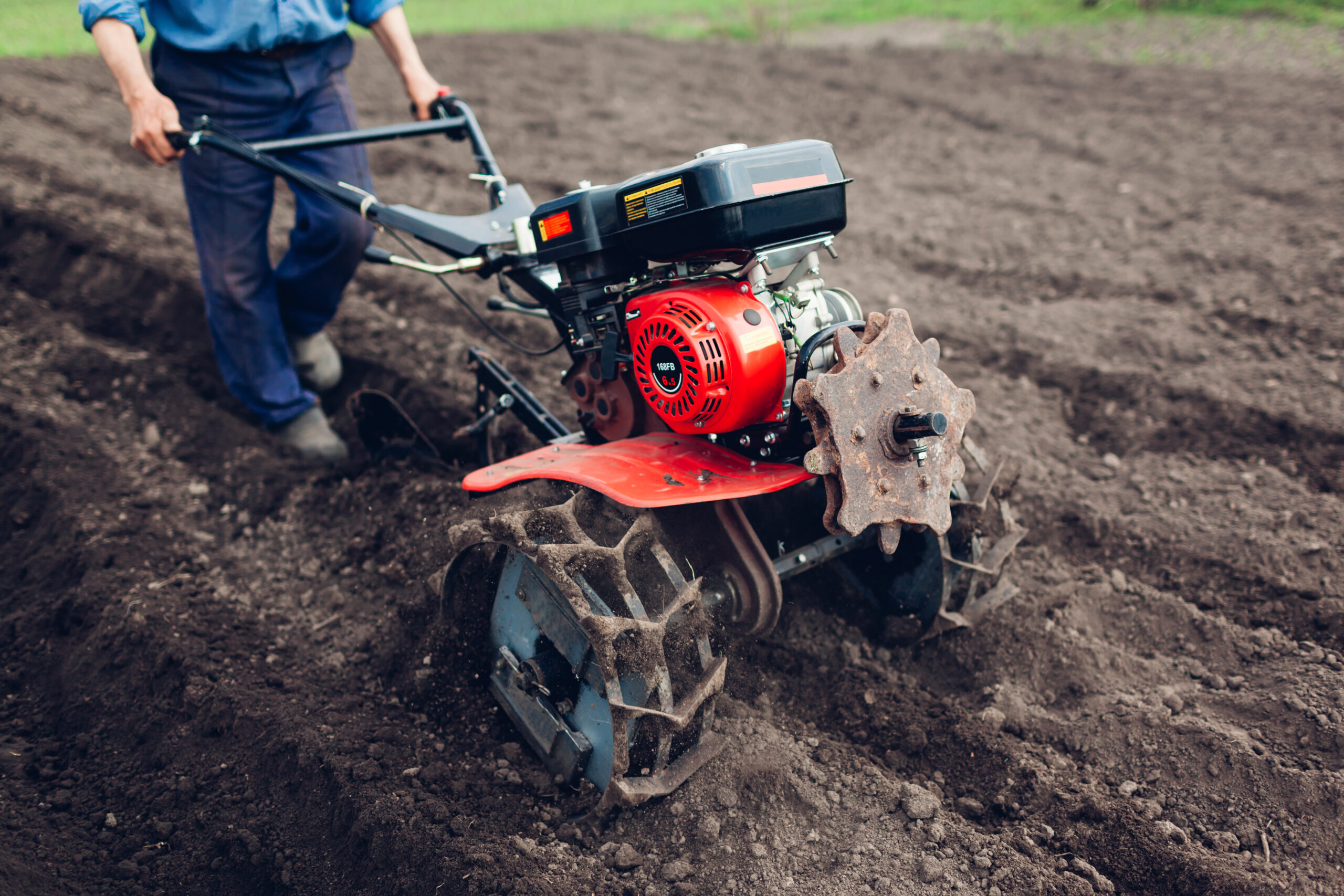
Then we have your small machines. This would include your typical fleet of small 4-stroke engines—walk-behind snow blowers, walk-behind and small riding lawnmowers, walk-behind rototillers, chippers, walk-behind string-trimmers, and more. These are often one-cylinder machines with carburetors. For these, 10% (E10) ethanol should still be OK, but again, these machines often see limited use throughout the year, so straight gasoline may be more desirable for that reason. Also, many small machines have very long lifespans, and if your small engine is older than 1995, it may be wise to forego the ethanol and use straight gasoline for compatibility reasons.
For 2-stroke engines—what you typically find in chainsaws, weed trimmers, small rototillers, and the like—ethanol is probably best avoided. The hygroscopic water-attracting properties of ethanol can lead to poor performance and engine degradation with 2-stroke machines, even damaging gaskets, so it might be best to skip the E10 for these unless the manufacturer specifically recommends E10.
Ethanol and Older Farm Equipment
Your other issue may be with machines that ran for many years on straight gasoline and have deposit buildups in fuel lines or carburetors. If this is the case, the ethanol in E10 may actually work as a solvent and dissipate those old deposits, which can actually lead to clogged engine parts and poor performance. So it’s not the ethanol per se, but its role in removing old deposit buildup. Still, the result is the same, so if you have an engine that’s never seen ethanol, you might want to keep on using the 100% gasoline.
Final Thoughts on Using Ethanol or Gas in Farm Equipment
Bottom line? If it’s a newer machine and sees consistent use, E10 is likely a fine option. Older or poorly maintained machines may do better with 100% gasoline.
This article about using ethanol for farm equipment was written for Hobby Farms magazine. Click here to subscribe.