Uzzi and I were eating supper last evening when Uzzi yelled, "What's that!?" When I looked up, he was staring at a wooden fence post. I ambled over to take a look and perched on the post was the biggest bug I've ever seen!
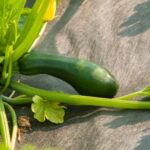
This has been an absolutely incredible year for the garden! The cooler temperatures combined with regular rain has made for one of the most productive gardening years I can remember.
Only about 2 to 3 percent of the Earth’s water is fresh, and of that percentage, a scant 0.3 percent is available for use. With every living thing on the planet utterly dependent on it, fresh water will become more and more valuable over the coming years.

I have a few different milkweed plants (Asclepias spp.) growing on our property, and they’re among my favorite native perennials.
My son has finally taken a real interest in gardening. Although he's always played in the dirt with me, this is the first year he's really interested in playing a role in growing the produce that makes its way into our kitchen.

Small-scale farmers can use cover crops can benefit your land. Here are six reasons you should plant them this year.

No surprise to small-scale farmers, scientists are now looking to traits in heirloom plant varieties to learn how to improve plant production.
Encourage natural soil fertility and restore the soil food web by eschewing the traditional garden practice of tilling.
I've posted here before about how I’m a sucker for interesting plant forms. Well, I've got two more fascinating plants to tell you about that are special because of their funky growth habits.
I learned an interesting lesson this summer: Not all hummingbird feeders are created equal.

Think cover crops are just for mega-farms? These five crops will return nutrients to your backyard garden’s soil and keep weeds at bay.
Our little fruit trees are doing quite well this year. Although they’re only 6 years old, we are already getting a few pieces of fruit on some of them.