If you have any extra room to grow on your farm, consider filling it with plants that naturally support beneficial insects.

I have always grown my own transplants in either plastic nursery six-packs or in peat pots, but this year I think I might try something new.
I received a fascinating little book in the mail a few weeks ago, and if you have any interest in learning how to tap your farm's maple trees for syrup production, you should put it on your wish list.

Quinoa makes a hearty, nutty stuffing that goes well with the earthy flavor of mushrooms.

Start your garden vegetables from seed before the weather warms and transplant them outside wtih these tips.
Flavor-packed and easy to grow, microgreens make a great addition to your growing plant—and your menu.

I have really been enjoying watching the birds this winter. Although they always love the black oil sunflower seeds and suet we put out for them, this year they seem to be particularly fond of the broomcorn a farmer friend gave to me.
The havoc created by a little green insect known as the emerald ash borer is very evident these days here in western Pennsylvania. Tree after tree is meeting its end because of this imported pest, and the ash trees on our property are no exception.

Check out the step-by-step process for planting potatoes in the vegetable garden.
In last week's post, I discussed a couple of excellent pest-prevention techniques you can easily employ in your own garden. Here are a few more of my favorites.
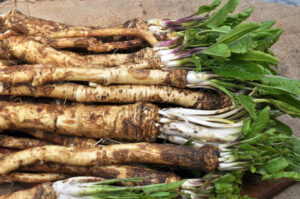
Sugarloaf Chicory is an often-overlooked, delicious crop.

Pest insects are always on my list of garden challenges, but what I and many other gardeners have discovered is that with pests, an ounce of prevention is worth a pound of cure.