Interested in using cover crops in-situ mulch but not sure where to start? Luckily, there are a few options for growing your own organic surface layer.

As a garden supply staple, peat moss isn't always easy to avoid, but seeking alternatives is both possible and worth the effort.

Working with nature to grow a forest garden means more diverse harvests for you—and greater protection against drought, pests and soil erosion.

It's hard to wait for warm weather to ripen garden tomatoes, so plant these early season heirloom tomatoes for a sooner seasonal harvest.
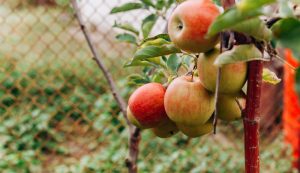
Tree protection in the form of guards or shelters keep rodents, deer and other threats at bay while young trees establish themselves.

A hügelkultur allows you to compost slow-to-decay materials while growing nutrient-hungry plants on top. Learn more in this excerpt from "The Regenerative Garden."

In addition to providing nectar for honeybees and native pollinators, insectary strips provide some non-bug benefits, too—including food and flowers!

Crop succession, especially in smaller market garden spaces, requires plenty of planning. These 10 operation cycles steps will help you get the job done.

Vertical farming has its roots in space. Here's what a vertical farm is, how it works and what it could mean for the future of farming.

The number and types of worms present in your garden over time can tell you a lot about your soil. Here's how you can start taking worm counts.

National Gardening Day is April 14, and it's the perfect day to start preparing or planting your own garden. These 12 tools will help you get started.
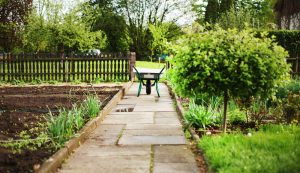
Keep things straight in your growing space by using basic math principles to square your garden blocks and plots. Here's how.