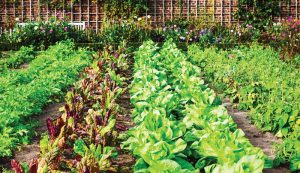
Use succession planting to make sure your garden provides the food you want when you need it, and without surplus crops you can't use in time.

When you come across special, "found" saplings, you can park them in this tiny arboretum for the time being. Here's how to build and use a mini nursery.

Daylilies are wildly common in flower gardens, but did you know the plants are as edible as they are beautiful? From petals down to its tubers, a daylily offers tons of surprising flavor.

A beneficial plant for pollinators, herbalists and even brewers, yarrow is an herb that every gardener should know. Grow some in your garden to see for yourself.

Want more homegrown crops but short on space? Grow up! You can trellis your garden plants to get a bigger, better harvest with even limited growing space.

Hostas are plenty common in ornamental gardens, but did you know you can eat them, too? Both the shoots and leaves are edible and delicious.

Sometimes, the best tool for a farm job isn’t the one the buying guides recommend, but a DIY one you create to serve your exact needs and requirements.

Healthy garden soil is well colonized by microorganisms that, in turn, maintain and release nutrients to the plants above. Air and water are central to this important balance.

Chantal Alexy from the New York-based Peace Garden Farm tells us about finding a sunset sense of serenity while walking through her flower field.

Plenty of gardeners use weed suppression fabric, but these alternative weed control methods are more beneficial to your soil, plants and the environment.

Tomato plants need support to keep them upright and off the ground, but you can use the Florida weave system to lift your tomatoes, preventing rot, disease and insect damage.

Got a lot of mulberries this year? Great! Just the right balance of tart and sweet, this common tree fruit makes a delicious jelly or jam.