The Los Angeles-based farmer tells us how he uses the local climate and his home environment to keep his crops growing all year round.

Culinary herbs are great for the kitchen, and your chickens love the flavors, too! Here are some growing tips to ensure you've always got fresh herbs on hand.

There are reasons we store root vegetables in root cellars, and keeping them in mind can help us maximize long-term storage for our homegrown roots.

Kohlrabi is the butt of many a CSA-veggie joke, but, packed with flavor and healthy goodness, the veggie’s place in the garden is no laughing matter.
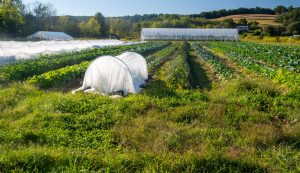
In "The No-Till Organic Vegetable Farm," farmer and author Daniel Mays provides a detailed road map to start a no-till vegetable farm.

Leaving leaves and refuse in place during end-of-season garden cleanup creates much-needed haven for birds, amphibians, pollinators and more.

Cover crops offer a variety of benefits during different parts of the year, from improving soil health to suppressing weeds and more.

This long-season crop is a staple in European gardens, has been misunderstood for a generation in America, and is now redeeming itself as a valuable vegetable.

Saving and sharing open-pollinated seed through the Seed Savers Exchange promotes gardening goodwill and much-needed biodiversity.

Founder Michael Mazourek tells us his insider tips for cooking with squash and breaks down the appeal of the company's vibrant beets.

Converting unused or underutilized land to an edible ecosystem addresses food security issues, and it brings environmental advantages as well!

An unusually cheery garden companion, roselle hibiscus both looks great and offers a variety of flavorful uses, most notably in a refreshing tea.