Cover crops offer a variety of benefits during different parts of the year, from improving soil health to suppressing weeds and more.

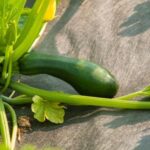
This long-season crop is a staple in European gardens, has been misunderstood for a generation in America, and is now redeeming itself as a valuable vegetable.

Saving and sharing open-pollinated seed through the Seed Savers Exchange promotes gardening goodwill and much-needed biodiversity.

Founder Michael Mazourek tells us his insider tips for cooking with squash and breaks down the appeal of the company's vibrant beets.

Converting unused or underutilized land to an edible ecosystem addresses food security issues, and it brings environmental advantages as well!

An unusually cheery garden companion, roselle hibiscus both looks great and offers a variety of flavorful uses, most notably in a refreshing tea.

When ripening outdoors is no longer possible, you might as well enjoy your tomatoes in all of their green glory. Try pickling them with this recipe!

Wintry weather doesn't mean you have to give up gardening—a cold frame can keep cool-weather crops going well into the chilly months!

Save yourself from sold-out suppliers by sticking back tomato seeds from plants harvested from this year's garden. It's easy, once you learn the process.

Lobster mushrooms and purslane are two flavorful foraging favorites that, if you learn how to spot them, can provide nutritious, delicious dinnertime fare.

The best time to plant trees may have been decades ago, but you can plant an orchard today to enjoy in the coming years. Here's how.

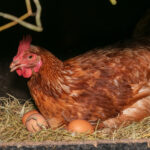
While some hiccups in egg production are perfectly normal, others can signal trouble. Here's what to look for when your hens stop laying.