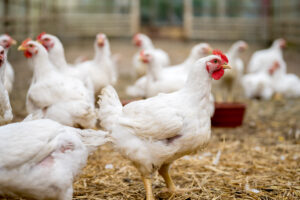
Join the many Americans showing their patriotism by re-creating their own victory gardens for modern times. Here's some history and pointers.

In honor of Independence Day, we share several ways we work toward establishing true food independence. You can do the same.

Despite your best efforts, do pollinators such as bees, butterflies and hummingbirds seem to stay away from your yard and garden? These changes might help.
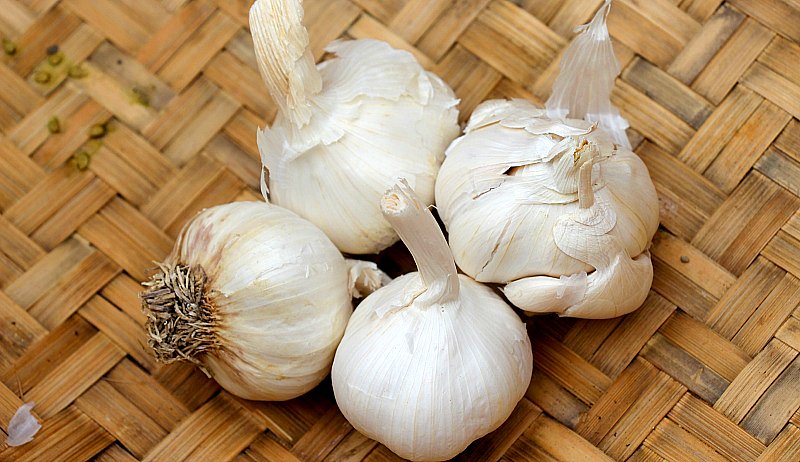
Planting garlic is only the first step in enjoying this delicious crop. Learn how properly harvesting and drying homegrown garlic can improve its shelf-life

Most of these are basic staples, and some take more work to grow in hot weather, but because of that you'll have less competition and more sales.
Left alone, patches of creeping grasses such as quackgrass and Johnson grass can take over large portions of your farm. Here are ways to control them.

A chipper can help you make use of fallen trees and leaves, and it can also help you with composting. Here's how it works.

Here's how to mix herb-infused oils with beeswax to make salves and lip balm that keep your skin moist and offer other healing properties.
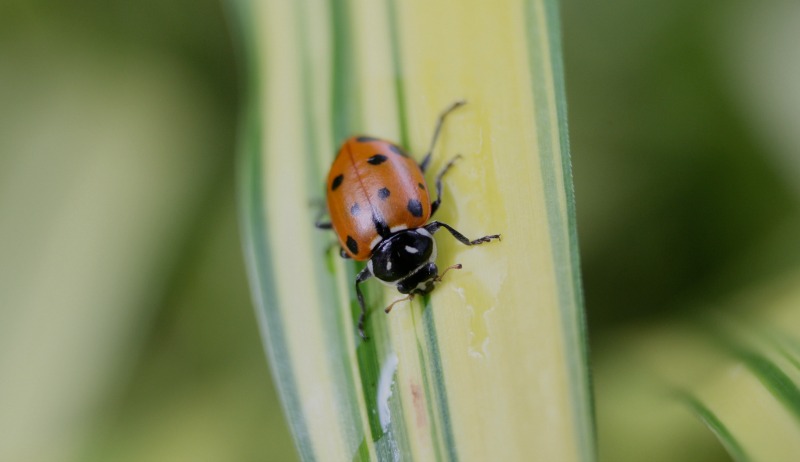
Ladybugs are good for gardens, but many gardeners don't know how to keep them around. Here are tips for doing that.

If you aim to make a living off the land, consider one of these projects in profitable farming that will provide a good start and support longer-term ventures.

Tomatoes are a nightshade, and many of its wild relatives are indeed poisonous. Same for carrots, which are related to poison hemlock.

If you have enough land, it might make sense to grow hay to feed your animals and sell to other farmers. Here's what you need to know.