In the first of a series, we learn the virtues of growing herbs as well as varieties that are easy to grow in apartments.

During summer you can "make hay while the sun shines," but you can't make hay without appropriate gloves to protect your hands.

"Crickets" is often slang for "boring," but real crickets tell us a lot about what's happening through the sounds they do—or don't—make.

Here's how to grow, harvest, dry and store chamomile. You can use it to make soothing tea that has various health benefits.
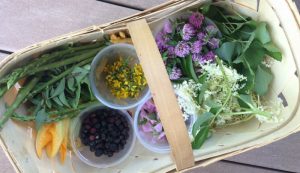
Foraging for wild plants, an activity that's rooted deep in my bones, takes a special place in my heart on the farm.

Wasps are like bees in some ways, but they also eat meat—including insects that are garden menaces. Learn more about the wasp.

Winter moths are a common pest in much of New England and parts of the Pacific Northwest. Learn how to ID this insect and limit its feeding damage.

You might not have found it yet, but your landscape is filled with food and medicine during the summer, and no cultivation is required. Here are several things you might find.

There are many simple, inexpensive ways to draw native bees and honeybees to your yard. Here are some tips—none requiring a bee suit.

A new study finds which types of milkweed most benefit these pollinators as well as the best places in the garden to plant them.

If you lack time or energy for gardening, grow cottage plants. These low-maintenance, free-blooming plants require little care and bring lots of color all season.
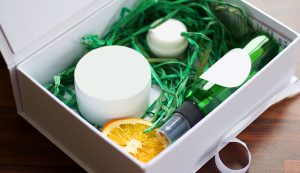
Coffee, tea, flavor extracts, foot scrubs, baby balm—even coasters—you can make personal and uncommon gifts from the herbs you grow.