Often looked at as an invasive, knapweed has historically been used as a natural medicine, treating anything from sores to digestive complaints.

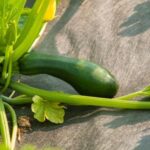
If you want to grow cucumbers, squash and melons while also saving seeds, you need to tread carefully.

This lightning bug lookalike can cause a painful welt—hence its name—if it gets too close, not to mention defoliate your garden.

Encourage your tomatoes to ripen quickly before the end of the season so that your green tomato stash is a bit smaller.

This under-rated root vegetable rarely makes an appearance on our dinner tables—but it should!

This fall, give yourself permission to neglect your garden and let nature do all the work.

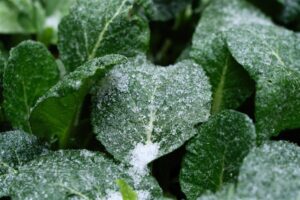
When you take care of your soil by planting a cover crop, don’t overlook the medicine hiding in these plants.
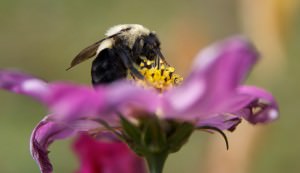
While honeybees grab media headlines, native bumblebees diligently do the pollination work their non-native cousins can’t.

If the proposal passes, it will be the first bee species to be considered endangered in the U.S.

Open sesame—you can harvest your own sesame seed crop right from your own garden.

After you’ve pruned back your trees, use the wood scraps in your garden to add organic matter to the soil.

You may be conflicted about finding this caterpillar in your garden—whatever you do, handle the situation with care.