Johnsongrass was originally introduced as a forage crop, but noxious tendencies require careful management. In this video, we look at some weed-control techniques.

Planning ahead for a potential emergency is the best medicine for your farm or homestead. Here's where to start when getting ready for the unexpected.

There are more reasons to love than hate those dandelions in your yard, so consider leaving and even using the bright yellow blooms of this versatile plant!

In this excerpt from "The Healthy Vegetable Garden," author and gardening expert Sally Morgan looks at using predators to control pests in the garden.

Pasture permaculture is a matter of good grazing—working with the land and managing livestock use to ensure soil regenerates for future yields.

It's helpful, when establishing a garden, to think of soil fertility management as three stages, with garden building and long-term maintenance as the final two.

When larger municipalities pursue rural areas, it can bring hardship to residents. Here are some potential effects of annexation, as well as what you can do to protect your farm endeavors.

An attractive lawn starts with proper mowing, and these tips and techniques will ensure your grass—whether a patch or acres—grows healthy and strong.

You don't have to be a large-scale producer to pursue Farm Service Agency loans, which can help small farmers turn their hobbies into profitable ventures.

Sow hundreds of native trees in place simply, easily and for free using the trees from seed philosophy, which bypasses saplings for wild tree seeds.
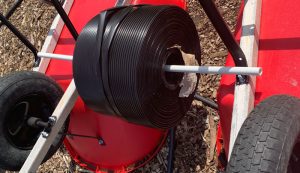
Unwinding pipe may seem simple, but when plants are drying out in the field, the last thing you want is a kink in your irrigation line.

From breaking sod to creating beds, managing crops and even turning compost, a rotary plow is a versatility powerhouse on the small farm, working homestead or edible landscaped community.