Applying ecosystem design principles to small, sustainable growing spaces can help you improve yield while reducing maintenance needs.
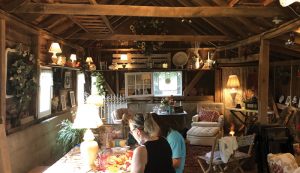
Once a functional pig barn, this space was transformed into a party space via hard work, a designer's eye and some special furnishings.
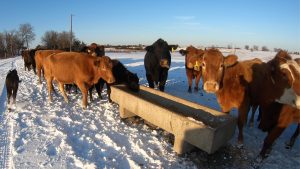
Cold weather is hitting much of the country hard, so here are some pointers for caring for livestock when the mercury drops.

A Greener World's regenerative agriculture pilot program places environmental sustainability, animal welfare and human equity issues front-and-center on the farm.

When farm dreams become reality, it's time to start planning. In this video, we look at some digital tools that provide deep insight in your land's capabilities.
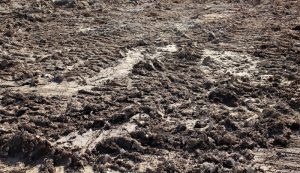
It's the dreaded mud season for many parts of the U.S., an annoying and potentially dangerous time of year on the farm. Here's how you can manage the muck.
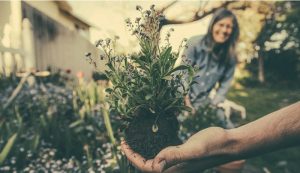
Maximize your farm or garden's potential by setting a holistic goal that takes into consideration your vision, your land and the surrounding community.
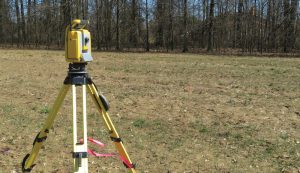
A wise land steward maintains the boundaries of his or her farm. A complete land survey performed by a professional will get the job done.
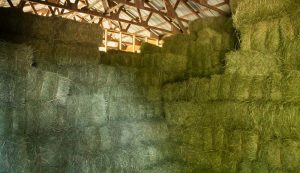
I won’t claim to be a Rembrandt or a Picasso when it comes to how I stack square bales, but there is an art to it—and I have a handful of helpful insights to share.
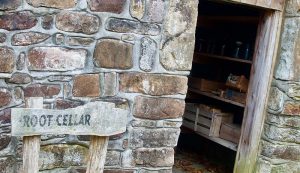
If you live in a place that experiences sub-freezing winter temperatures, you can make your own ice to keep your root cellar cool through the summer months.
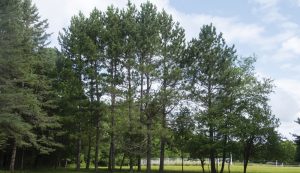
Using trees to create a windbreak has numerous advantages on the farm, but it's important to follow some guidelines when you start planting.
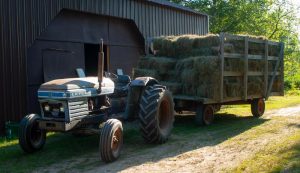
Did you know saving five minutes a day gains you over 30 hours by the end of a year? It pays to remove bottlenecks to improve efficiency when performing repetitive farm chores.