These easy techniques help you attract customers, spark conversations and share information about beekeeping at the farmers market.

Some of these crops take extra effort to produce throughout the summer, but they're in demand and nearly always sell well.
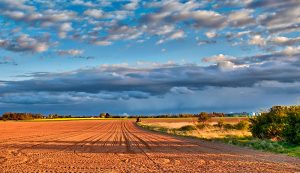
Water? Good soil? A solid barn? Sure, those are obvious. Here are several elements you might not have considered that might end up being crucial.

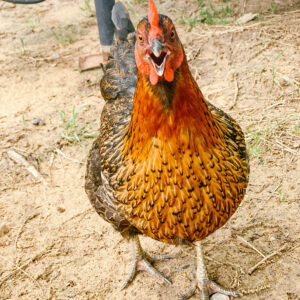
No longer just a commercial egg producer, the Leghorn is experiencing a comeback as America's favorite backyard heritage bird. Here's all you need to know.

Here are the basics about what fruits and vegetables are good for long-term storage, and how to best store them naturally.

If you plan ahead, you’ll discover that your summer vacation fantasies away from your farm and all its ongoing concerns are within reach.

Goat milk has nutritional advantages over cow's milk, and you can use it for many delicious and pragmatic ends. Here are several to consider.

In his new book, Michael Foley gives examples of farms implementing solutions others can follow and also shows the link between sustainability and enduring civilizations.

Apples used to make hard cider are quite different than sweet varieties made for eating. Here's what you need to know about apples for the hard cider market.

Many free or inexpensive options exist these days to help farmers spread the word of their products to potential customers. Here are some basic farm marketing tips.

Start where you are and work slowly toward your permaculture goal. These steps will help guide you to start growing plants in synthesis with your environment.

Many animals produce fiber, including sheep, goats, alpaca, rabbits, bison and musk ox. Here's a guide to the types and qualities that come from various sources.