New year's resolutions often fail, but if you follow this outline you're more likely to accomplish what you want in 2019.

Here are some questions to ask — and some facts about the process you might not know — to help decide whether certifying as organic is right for you.

The phrase is borrowed from the Slow Food movement, and it reflects a desire to pasture-raise breeds that take longer to reach market but have advantages over the industry's choice.

Some of the most common mistakes are easy to avoid, but you have to know what they are. Here are some that many new farmers make.

If you have access to woodlands, these 4 sources help you explore products other than lumber to establish a lucrative and thriving partnership with nature.

Selling to restaurants provides steady income and also lets you tell people where your products are served. Here are skills and practices to get chefs' attention.

Backyard flocks might not fly with the seasons, yet their wild instincts play an important role in social bonds and creating a collaborative community.

Female broilers grow slower than males, yet they have their own benefits and considerations for your meat production.
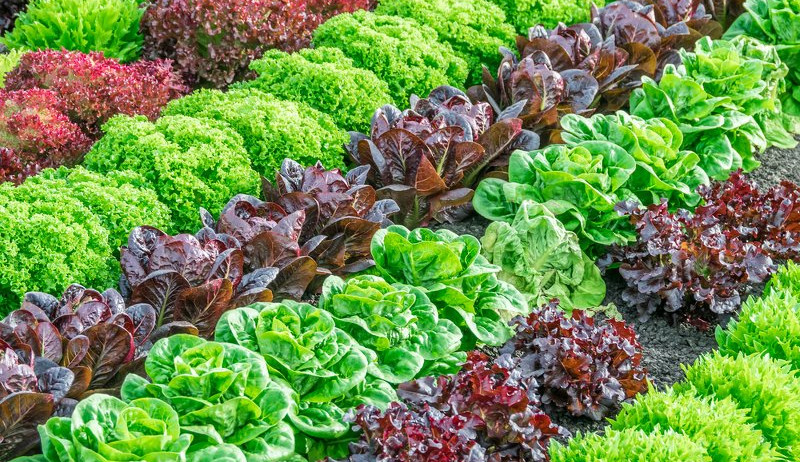
Consistency at farmers markets or in CSAs strengthens your customer base. Here are crops that help you achieve that all year.

That overabundance of acorns is not a mistake, but rather trees' coordinated effort to reproduce, affecting rodents, insects and humans.

Eliot Coleman refines and modernizes the methods he introduced in the book's first edition 30 years ago.

Winterizing a backyard pond isn't difficult, but it does have several important steps. Learn how to prepare your backyard water feature for the winter.