Grasshoppers are vital players in ecosystems when all elements are in balance—and they can even be a food source for some humans.

Avoid the bites of ticks (and their nasty co-infections) by using one of these repellents free of synthetic chemicals.

The nutria is a beaver-like rodent that has caused wetlands destruction after it was exported and farmed—and then turned loose in the wild.

Planning different pastures with different grasses for cool and warm weather can keep animals grazing nutritious green grass longer.

Making adjustments in pricing, timing and how much you bring to market can make a big difference in how much you earn.

These food trends transcend traditional farmers markets and CSAs. Consider things such as wild foods, new selling locations, hops and agritourism.

These DIY methods can keep all unwanted bugs away from your living areas without harsh chemicals or be a supplement to professional pest control services.

Tomatoes seem to be everywhere you look at late-summer farmers markets, but with these tips you can sell more in times of abundance.
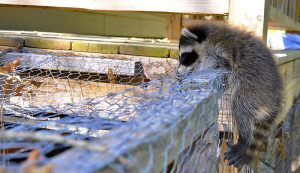
Raccoons are common poultry predators. Here are tips on how to trap and handle these masked bandits eager to get at your flock.

Fish require less maintenance than other livestock. They provide a healthy protein source for your family and could add revenue to your farm.

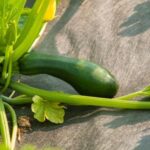
Cucumber plants can produce a lot, so you might find yourself with a surplus. Here are alternative ways to sell your cucumbers.

The muskrat is much smaller than the beaver, but it's a similarly crafty rodent that can disrupt farm waterways. Learn how to prevent that.