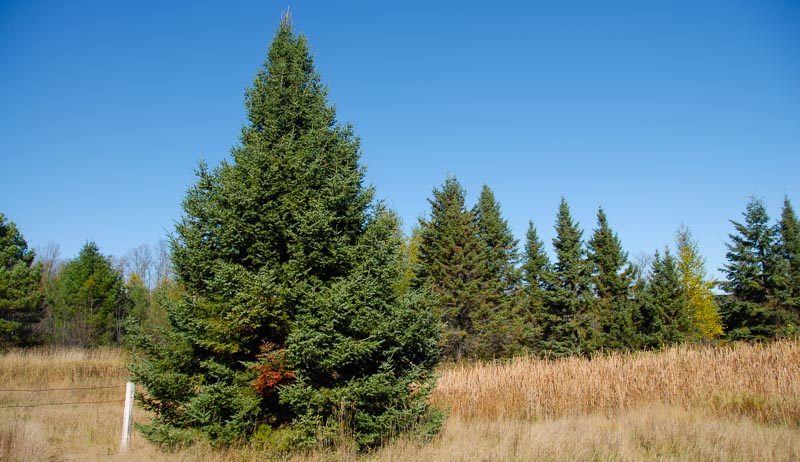
Coniferous trees such as pines and spruce can grow rapidly on your farm, but these four tips can help you keep them under control.

Are you looking for another good crop to display on your market table? Look no further than radishes. Here are six reasons why they're good for business.
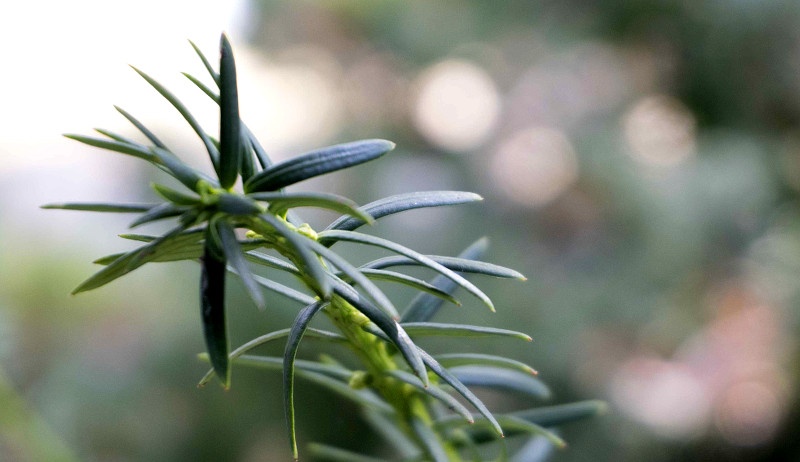
The yew, popular in residential landscaping, is used to discourage wild animals from grazing, but in the U.S. it has killed elk, moose and bears.

A large pile of rocks, disappearing into the ground under years of accumulated leaves and grass, offers an intriguing mystery about what else is "hiding."

The Sheep Care Guide, produced by the American Sheep Industry Association, covers feed safety, transportation, regulatory data and emergency planning.

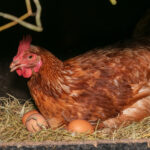
Getting a few chickens can lead to a full flock, which can then lead to a diverse farm with many types of animals. Here are the basics on adding livestock.
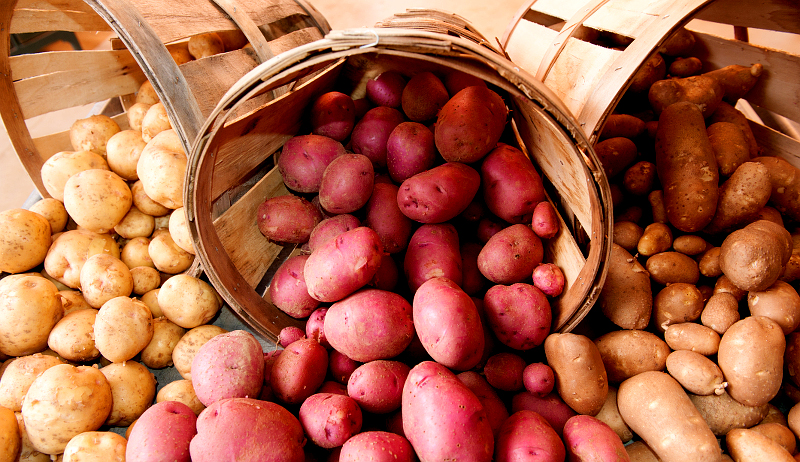
Potatoes aren't known for being very profitable, but with the right approach you can take advantage of the many varieties and possibilities.

Fall is a good time for roots, but proper planting techniques, attention and care are needed to keep the complex underground network healthy and active.

Knowing about the place and the plants and also being prepared are key to collecting wild seeds and later planting them on your property.
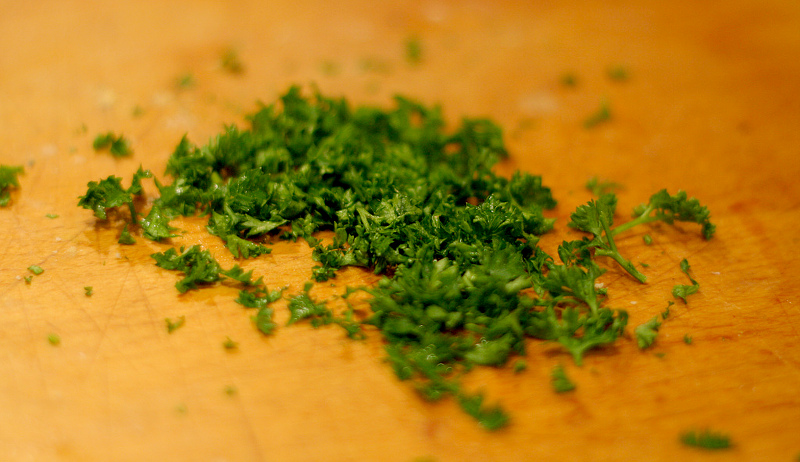
Parsley is slow to grow, but it yields a lot, is profitable and brightens up a market table. Here are all the reasons market farmers should consider it.
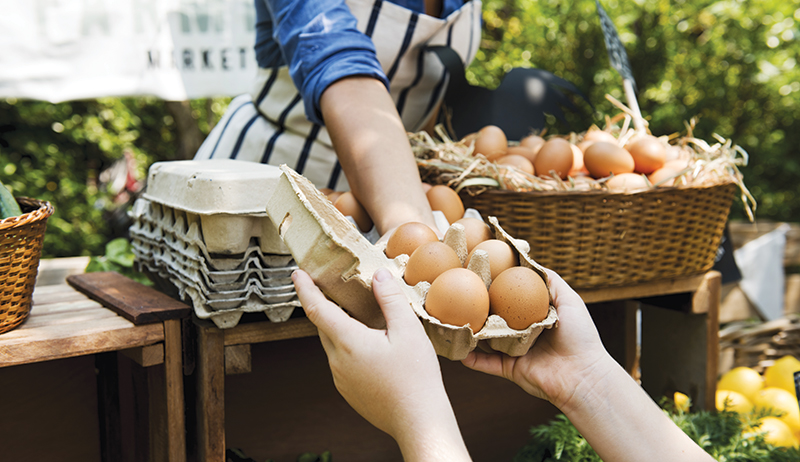
Knowing about your products, how they're named and evaluated, and the customers buying them will help you sell more of your own farm fresh eggs.
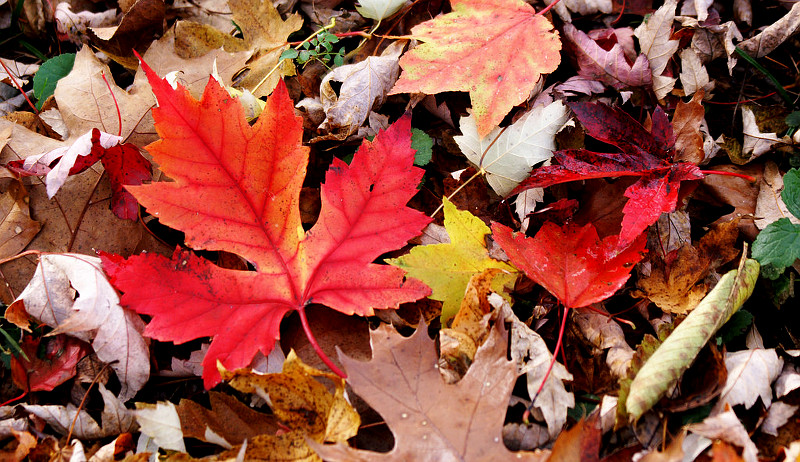
Starting certain things in the fall will get your garden ready for spring and cut down on the amount of work you'll have to do during that busy time.