Listening to your space is a different way of "seeing" what’s really there. Mapping the sounds can alert you to things good as well as bad.

Small flocks create big benefits for soil and farm budgets. Two tools from the USDA and Colorado State University help you see them.

Popular market crops such as lettuce, garlic and potatoes differ in harvest, packaging and storage needs. Here's how to get these crops safely to their destinations.

Porcupines live a long time, climb trees, help forest ecosystems -- and can float on water. They're not predators, but their quills are dangerous.
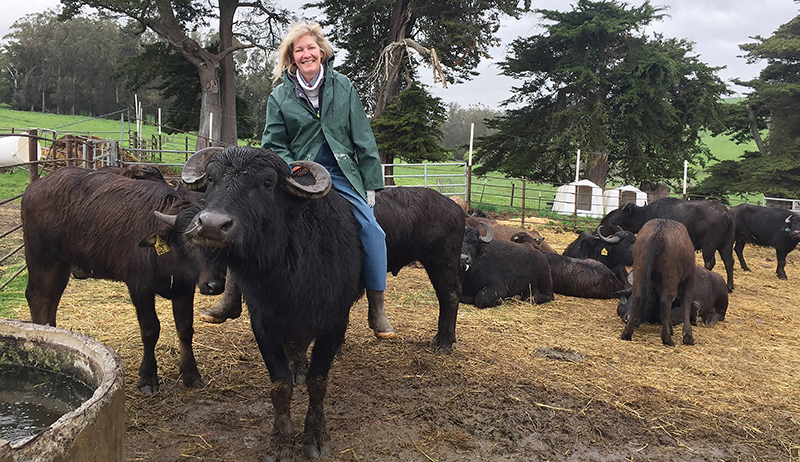
Creating a niche artisan product—mozzarella di bufala—on a water buffalo dairy farm requires imagination, stamina and a little scratch behind the ears.
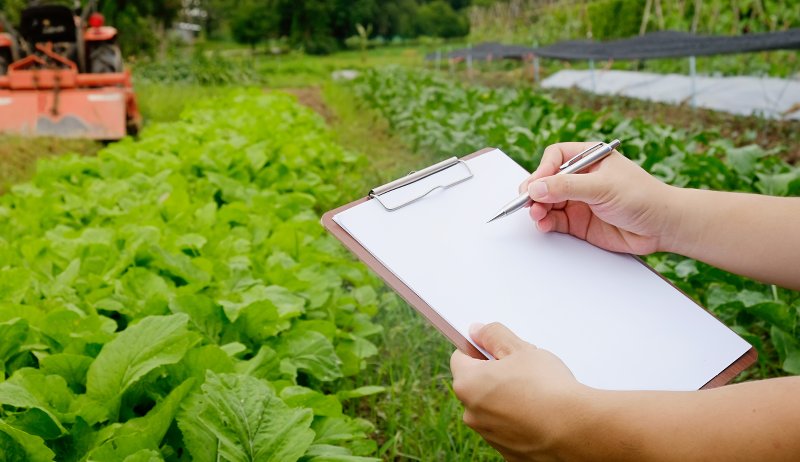
This is the time of year to collect and evaluate your data as well as organize and list the fall and winter projects you want completed by spring.

Box turtles are fascinating omnivorous creatures. Here's how to create and enhance habitat if you find one living in your garden.

Sure, a farm always has more than enough problems you can fix, but take opportunities to enjoy when things go right. It could pay off in unexpected ways.

Choosing proper plants, saving rainwater, adding mulch and matching soil to what you grow are among ways to conserve water in your garden.

Ben Hartman's second book takes a detailed look at reducing waste and increasing efficiency in the business of growing vegetables.
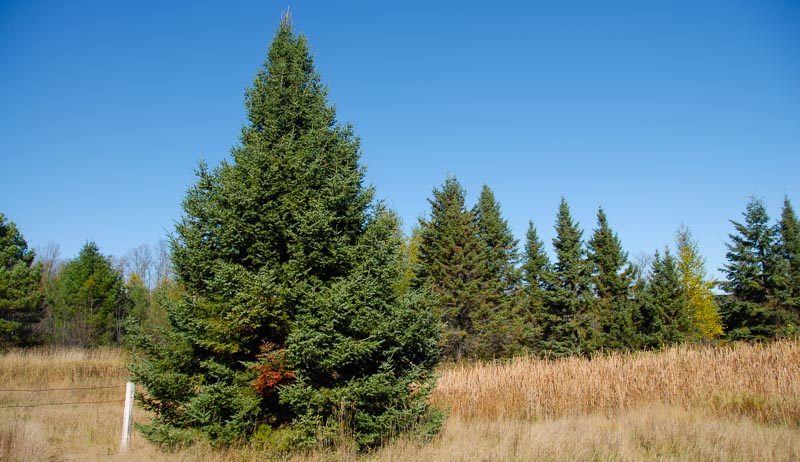
Coniferous trees such as pines and spruce can grow rapidly on your farm, but these four tips can help you keep them under control.

Are you looking for another good crop to display on your market table? Look no further than radishes. Here are six reasons why they're good for business.