Using still photos or video, anyone can make a short nature documentary. Here's how to choose and approach your subjects for the best results.

July and early August can be a harsh time on a farm, when things can seem futile and repetitive. Here are ways to find inspiration that will help you regain enthusiasm.
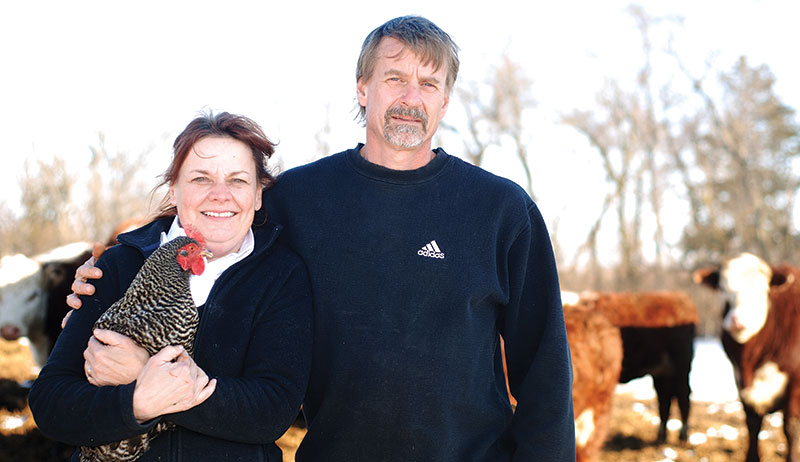
Dan and Kris Paape didn't intend to start BeefnBeak Farm, but they now raise grassfed cattle and pastured poultry, and they aim to add workshops and tours.

Mosquitoes are tiny but terrible. Learn how they threaten your farm (especially horses) and how mosquito control can prevent them from doing damage.

Many social media options exist, and they're all pretty easy. Use them to get your farm noticed and attract future customers.

Using bricks salvaged from a long-forgotten stack that I discovered, I constructed a simple brick walkway leading to a garden. Here's how I did it.

Point your bees to a singular source, and bottle the specific flavor of your neighborhood. Here are tips on producing varietal honey.

If you maintain a compost area or container, you'll find that our common discards often result in uncommon "offspring" or volunteers to assist us.

Late summer crops can be a challenge, but here are several great warm weather additions to spice up your farmers market table.

Bats, butterflies and hummingbirds help in addition to bees and other insects. Learn about native pollinators and what you can do to protect their habitats.

Mother pigs can be fiercely protective. In the end it's a good thing, but you do have to be careful around an aggressive sow. Here's how.
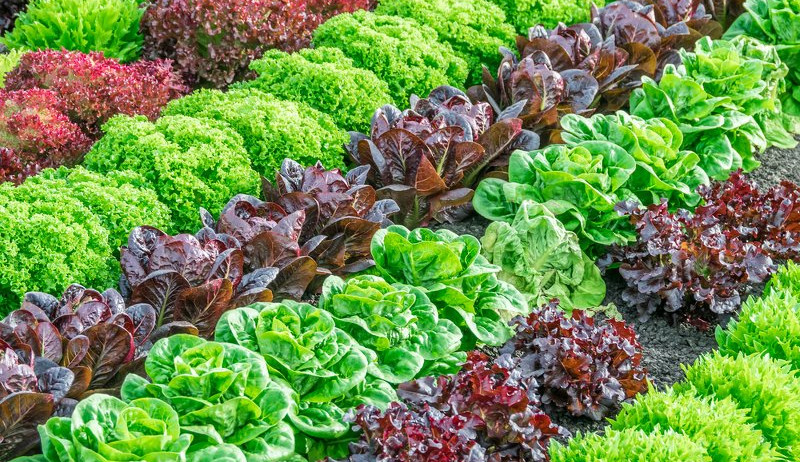
Lettuce is always a positive addition to the market table, but the summertime requires different rules for growing and harvesting.