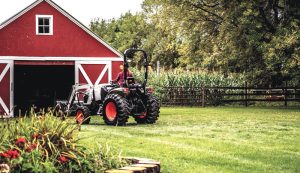
It's important to care for your farm machinery, especially the tractor, so follow these tractor maintenance tips to keep your machine in shape.

Established in 1914, the cooperative extension agency program provides agricultural expertise to farmers of all stripes—and there's almost certainly an office near you!
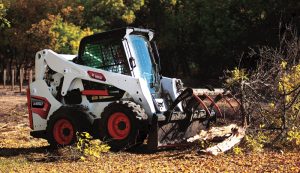
Choosing between a tractor and skid steer is one of the more common decisions you’ll need to make. Here are some key differences to help you choose.

In addition to being safer and more environmentally friendly, an organic lawn will also appear nicer. Here's how to go organic in your lawn care.

Our environments benefit from more edible landscapes, so author Zach Loeks is walking across Winnipeg multiple times to determine the city's potential foodscape future.
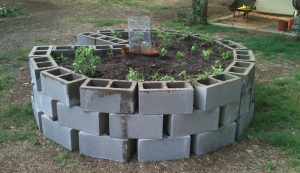
In this excerpt from "Compost Science For Gardeners," author Robert Pavlis takes a look at the science behind keyhole gardens with built-in composting.

You want to have a praying mantis population in your garden, so take these steps to introduce these beneficial insects into your growing space this year!
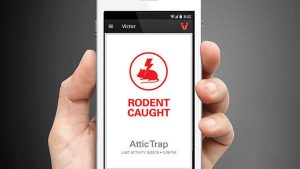
Almost every farm has rats, and smart rat traps may solve a farm’s growing rat problem. Learn how they work, what they do and if they're right for your farm.

In this excerpt from "The Ecological Farm," author Helen Atthowe shares some weed suppression experiments she conducted on her farm.

Do you need a rototiller to start a garden? The tool surely prepares a growing space quickly, but a no-till approach can be more beneficial to soil in the long run.

Chicken coops, livestock barns and other buildings are essential on the farm, but before you hit the ground running, be sure to follow this advice for individual outbuildings.

Water is a plentiful and powerful force, and it's important to understand how it moves and collects to put water to adequate use on the farm.