Guests of this grassfed beef ranch in the Southwest get a real taste of ranch living—and some prickly-pear syrup, too!

Rural areas are questioning what to do about invasive species; for Minnesota, the answer is goats.

Your first year of beekeeping can add up financially, but with some forethought, you can indulge in a new hobby in a way that's more affordable.

Turn your farmland from overgrazed pasture into prairieland to benefit you, your animals and the nature around you.

Despite the notion that "organic” equals "safe,” it’s necessary to take precautions if you choose to use organic-approved chemicals on your farm.

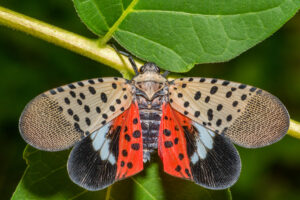
If you can't beat ’em, eat 'em. Foragers turn to eating invasive species as a means of control.

This Southern Arizona farm has committed itself to growing local, seasonal produce in the desert.

Encourage people to try your goat’s or sheep’s milk with these suggestions for the farmers market.

A historical ranch turned artist retreat, Triangle L Ranch Bed-and-Breakfast merges local food and culture for an experience no one should miss.

When it comes to protecting your land’s natural resources, is it really about balance or more about tipping the scales?

Part of a good food-safety plan for your farm includes making sure the water source you use for irrigation is contaminant-free.
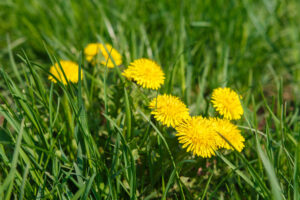
Turn your land—or at least part of it—back to its wild roots by taking steps to restore natural plants and habitats.