Good record-keeping can make a huge difference when operating a small farm, so check out these six tips for keeping great growing records this year.

Dealing with animal excrement doesn’t have to stink! Put that livestock manure to work on the farm with management practices that yield nutrient-rich fertilizer.

A farm drone is a valuable farm tool that lets you check on fences, animals and crops, all without having to leave your front porch.

A hügelkultur allows you to compost slow-to-decay materials while growing nutrient-hungry plants on top. Learn more in this excerpt from "The Regenerative Garden."

A controlled burn can do a lot of good in a farm's pasture, but you need to keep things extra safe when doing so. Here are some things to keep in mind.

In addition to providing nectar for honeybees and native pollinators, insectary strips provide some non-bug benefits, too—including food and flowers!

Crop succession, especially in smaller market garden spaces, requires plenty of planning. These 10 operation cycles steps will help you get the job done.

A strong winter storm blew down a lengthy section of a wooden deer fence. Much of the material can be salvaged, but doing so requires careful planning.

Vertical farming has its roots in space. Here's what a vertical farm is, how it works and what it could mean for the future of farming.
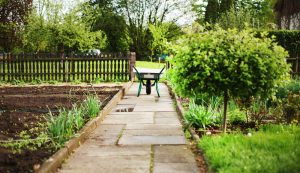
Keep things straight in your growing space by using basic math principles to square your garden blocks and plots. Here's how.

Valerie Wallis from the Indiana-based Wallis Farm gets into her favorite cattle tips and shares techniques for spreading bedding.

With the first day of spring behind us, it's time to start thinking about what spring crops we can get in the garden for an early harvest.