Interested in using cover crops in-situ mulch but not sure where to start? Luckily, there are a few options for growing your own organic surface layer.
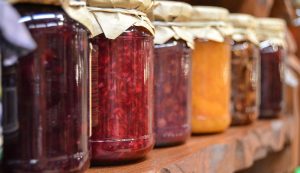
Spring has sprung, and soon our gardens will yield tons of good stuff. So get ready to preserve your harvest with these basic water bath canning supplies.

As a garden supply staple, peat moss isn't always easy to avoid, but seeking alternatives is both possible and worth the effort.

Working with nature to grow a forest garden means more diverse harvests for you—and greater protection against drought, pests and soil erosion.

It's hard to wait for warm weather to ripen garden tomatoes, so plant these early season heirloom tomatoes for a sooner seasonal harvest.

Crop succession, especially in smaller market garden spaces, requires plenty of planning. These 10 operation cycles steps will help you get the job done.

From chicken feed to bird seed, the empty plastic bags add up—but they don't have to end up in the landfill. Here's how to make your own feed-bag tote.
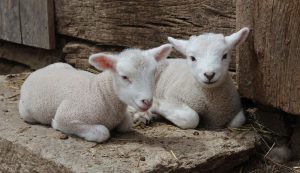
Ringwomb, or incomplete dilation of the cervix, is a commonly encountered issue during lambing season. Read more to learn how to identify this condition and what to do if it happens on your farm.

"The Backyard Bird Sanctuary" author Alan Baczkiewicz offers tips and tricks for attracting specific birds—and keeping others out.
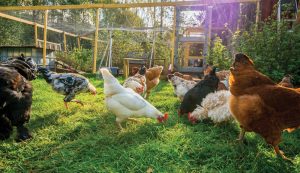
Chickens get a wide variety of worms, which are both common and typically no cause for alarm. Here are the top five and what you need to do.

With the first day of spring behind us, it's time to start thinking about what spring crops we can get in the garden for an early harvest.

Spring is the right time to find baby piglets for the homestead! Here are some tips for locating young pigs and setting pricing expectations.