Pasture permaculture is a matter of good grazing—working with the land and managing livestock use to ensure soil regenerates for future yields.

For some jobs, using a broadcast spreader to seed fields can be ideal, offering good seed-to-soil contact and a quick timeframe to get the job done.

Cold season is right around the corner (and starting early in some places), but you can strengthen your immune system with this stinging nettle herbal tonic.

Better for the environment and easier on the farmer, electric tractors bring cost savings, reduced maintenance needs and flexibility to growers of all sizes.

Saving tomato seeds is cost-effective and preserves heirloom qualities from one harvest to the next. Here's how to do it.

Picking apples is a wonderful pastime. It’s the perfect way to enjoy the literal fruits of your farm. But you won’t get very far without the right tools.

Getting started with gardening can be intimidating, so we put together some pro gardening tips to help. First up: establishing your first garden beds.
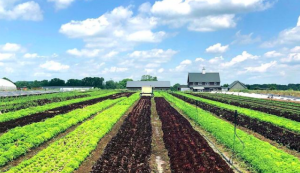
Co-owner Jim Lyons from New Jersey-based Blue Moon Acres tells us about supplying eye-catching microgreens to chefs and adding rice to the repertoire.

Have seeds you'd like to keep—and keep viable—for a while? Follow these seed storage dos and don'ts to get the most out of your seeds.

Got an old chicken coop or unused outbuilding? Consider recycling the materials! Read about how I built a new workshop out of an old poultry house.
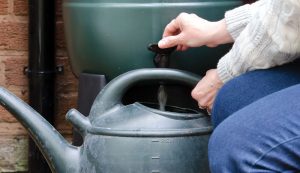
Save money and give your plants the best with a rainwater collection system. Not sure where to start? Here are some tips for starting out.

Weeds and unwelcome plants are just a part of growing, but you can spot spray this natural, homemade herbicide to kill growth that threatens your garden.