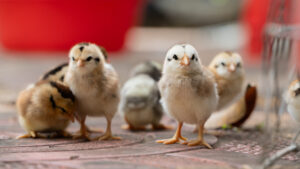
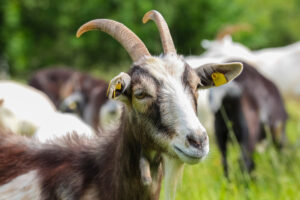
Texas Master Gardener Rhonda Kaiser tells us about maximizing space and repurposing vintage objects in the garden at her homestead, Southern Home and Farm.

Poor health, dietary problems and even physical differences can affect eggshell texture, thickness and more, so pay attention to what your hens lay.

Springtime means garden cleanup, but keep an eye our for these beneficial insects as you ready your space. These bugs are your helpers during growing season!
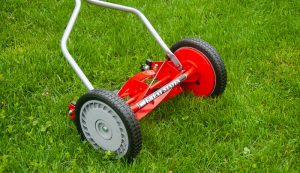
A farmer can never have too many lawn mowers. Even an old-fashioned manual reel mower can offer a variety of advantages over their motorized counterparts.
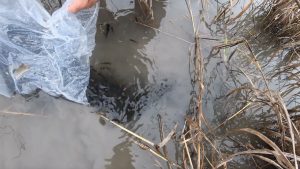
There's nothing quite like fishing in your own pond, but new or recovering waters require you to stock with fish. Here are some tips to do the job right.

Saving vegetable seeds to sell can be lucrative and worth your consideration. Here’s how to see if it could be a good fit for your farm business.

Allison Tolpa from the New Jersey-based family farm Sweet Cheeks Farm and Apiary tells us how sustainable bee practices bring joy to their community.

Looking for something new for the garden? Try these old-fashioned flowers! The varieties are less common than they used to be, but they're still worthwhile.

When pandemic lockdown hit, this family took the opportunity to convert an old swing set into a unique chicken coop for their brand-new flock!

Garden hoses are a common sight on any hobby farm. But before buying a garden hose, here are six questions you should ask and answer.

Three tools, Permabeds, cover crops and tarps, will protect your garden and keep the soil ready to work as soon as temperatures allow.

Ever wanted to grow your own mushrooms at home? You can! Here's what you need to know to get started with DIY mushroom cultivation.