This practice of making compost in the ground has existed for a long time, but it's new to many people. Here's how trench composting works.

With these DIY herbal tea dissolves, you can enjoy a quick home-brewed herbal tea without messy tea or a tea bag. Here's what to do.

Many free or inexpensive options exist these days to help farmers spread the word of their products to potential customers. Here are some basic farm marketing tips.

Start where you are and work slowly toward your permaculture goal. These steps will help guide you to start growing plants in synthesis with your environment.

Many animals produce fiber, including sheep, goats, alpaca, rabbits, bison and musk ox. Here's a guide to the types and qualities that come from various sources.

During long, snowy winters, your farm machines might need a little assistance in the form of good old-fashioned physical labor. Just ask me and my snowblower.

The presence of certain insects as well as leeches in wetlands, creeks, ponds and streams helps reveal whether the water is polluted or clean. Here's what to look for.

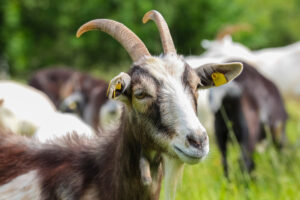
If livestock breeds such as cattle, goats and sheep aren’t enough for your small farm, venture into some of these more unusual animals.

Mulch can improve garden soil and also limit weeds. Here are a number of materials that make good mulch, their pros and cons, and where you can get them.

If you prefer not to use weed-control methods that contain commercially produced herbicides, here are several natural methods and accompanying advice on fighting weeds.

Conservation researchers increasingly rely on crowdsourced data to identify threats to pollinators. Here are ways you can help collect and report information.

Many fencing systems exist, and selection depends on animals, grazing management plans, long-term goals and budget. Learn which is right for you.