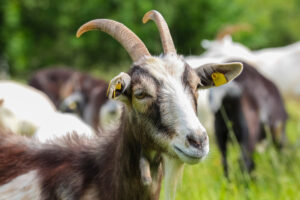
Planning different pastures with different grasses for cool and warm weather can keep animals grazing nutritious green grass longer.

This country life is definitely not like a pretty picture in a magazine, but we conclude that we wouldn't have it any other way.

Making adjustments in pricing, timing and how much you bring to market can make a big difference in how much you earn.

In the second of two parts, we learn about herbs including oregano, dill and thyme.

If you aim to plant trees on your hobby farms, consider these various types of nuts, including almonds, pecans and pine nuts.

These food trends transcend traditional farmers markets and CSAs. Consider things such as wild foods, new selling locations, hops and agritourism.

This John Deere 594 could be 75 years old but it still serves admirably thanks to simple design, ease of use and the fact that it just plain works.

These DIY methods can keep all unwanted bugs away from your living areas without harsh chemicals or be a supplement to professional pest control services.

Tomatoes seem to be everywhere you look at late-summer farmers markets, but with these tips you can sell more in times of abundance.

In the first of a series, we learn the virtues of growing herbs as well as varieties that are easy to grow in apartments.
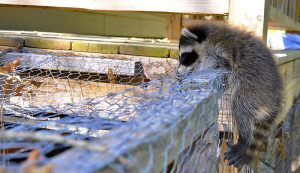
Raccoons are common poultry predators. Here are tips on how to trap and handle these masked bandits eager to get at your flock.

Fish require less maintenance than other livestock. They provide a healthy protein source for your family and could add revenue to your farm.