What's the best way to handle and use loose hay? There are a surprising number of options. Here are four to get you started.

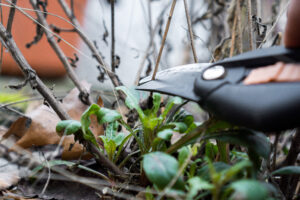
In this excerpt from his upcoming book, "Wild Plant Culture," author Jared Rosenbaum looks at weeds—what they are and best ways to approach these plants.

Healthy, 100-percent whole-wheat bread is too hard to make, right? Actually, you can make great-tasting homemade bread with this easy recipe.

Ruby Wolf Farm founder Lauren Slingluff tells us how early memories of her mom's floor loom helped inspire her own fiber farm.

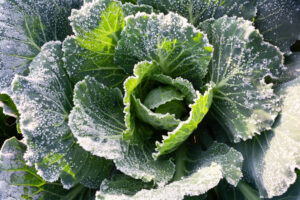
Have more kale than you can possibly use? There's no need to let this cut-and-come-again superfood go to waste! Here's how to preserve kale.

Clint and Bobbi Jo Finney breathe new life into their Spring Valley Stock Farms and surrounding community with rotational grazing and regenerative farming.

From mice to skunks to bears (and even people), predators can do a number on bees, so follow these easy steps to keep trouble at bay.

This collection of durable, practical farmwear includes comfortable jeans, stain-proof slacks, hardworking boots and more!

Gathering dried hay by hand and storing it loose is still a viable strategy in the absence of modern equipment, so heed this tale if trouble arises.

Katahdin sheep are hardy, adaptable, low-maintenance animals that do well for everything from meat production to fiber and more.

Not a mini but a naturally small heritage breed, Dexter cattle can offer meat, milk and even draft work to farms where pasture space is a commodity.

KuneKune pigs are gentle on the land and bring a calm disposition to the homestead. And their red, marbled meat is hard to beat!