In this excerpt from "The Healthy Vegetable Garden," author and gardening expert Sally Morgan looks at using predators to control pests in the garden.

Queensland-based Mandleman Manor founder Lauren Bishop tells us all about the importance of zone planning and turning eggplants into brownies.

In this second installment in a three-part series on establishing a first-year garden, we look at preparing beds and installing an irrigation system.

Pasture permaculture is a matter of good grazing—working with the land and managing livestock use to ensure soil regenerates for future yields.

Getting started with gardening can be intimidating, so we put together some pro gardening tips to help. First up: establishing your first garden beds.

Olympic athletes develop certain tricks to master performances, and similarly we should develop and utilize trick sequences in the garden for growing success.

It's helpful, when establishing a garden, to think of soil fertility management as three stages, with garden building and long-term maintenance as the final two.
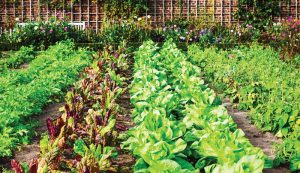
Use succession planting to make sure your garden provides the food you want when you need it, and without surplus crops you can't use in time.

From breaking sod to creating beds, managing crops and even turning compost, a rotary plow is a versatility powerhouse on the small farm, working homestead or edible landscaped community.

Three tools, Permabeds, cover crops and tarps, will protect your garden and keep the soil ready to work as soon as temperatures allow.

Clitocybe nuda thrives on layers of organic matter in moist, shady locations. Here's how you can start your own blewit mushroom garden using purchased spawn.

Instead of rethinking the garden every season, establishing permanence can help you save time, grow better and enjoy growing year after year.