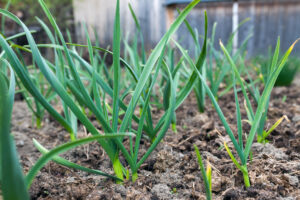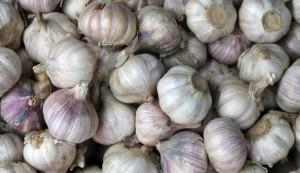
Garlic is an extremely winter-hardy plant that thrives in northern climates. It comes in three types: softneck, stiffneck and elephant, which range in color and flavor. Garlic has myriad uses in recipes and also is shown to have medicinal properties.
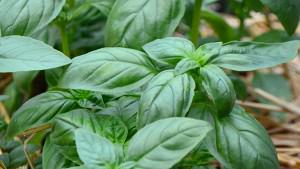
Basil is a member of the mint family and comes in a number of varieties that range in flavor and color. With flavors ranging from sweet to spicy to zesty, this herb is popular for making pesto and seasoning vegetables and fish. It’s native to India and Asia and thought to aid in digestion.

A staple in the kitchen, oregano is the quintessential Italian herb used as a seasoning for sauces, soups and meats. Oregano comes in several varieties, but it typically has dark green leaves with white flowers.

You can grow rosemary indoors, in containers, as well as outdoors. Here are the basics on growing, harvesting and storing this herb.

Thyme is a savory herb that comes in several varieties. It’s used in cooking, especially dishes with meat or cheese, or in tea for sore throat and coughs. It is also said to repel pests.

There are more than 3,500 mint species, but peppermint and spearmint are most common. Be sure to contain mint plants or they can overtake your garden.

Pumpkin fruits range in size from miniatures weighing less than 1 pound to 1,000-pound giants. Choose thick-walled pie pumpkin varieties for cooking and baking, and varieties with thinner flesh for Halloween carving.
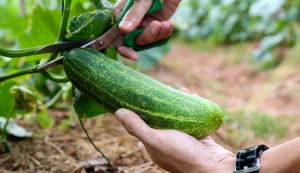
Cucumbers are prone to attacks from cucumber beetles, which transmit bacterial wilt. Choose resistant varieties whenever possible. Protect young plants with floating row covers but remove covers when plants come into flower to ensure ample pollination.

Butternut squash is a winter squash that is more resistant to vine borers than other squash varieties due to its thicker stem. The flesh is yellow with a sweet, nutty taste. It makes a great winter storage crop.

Acorn squash varieties have creamy, yellow flesh with a sweet, nutty flavor. It’s ideal for baking, roasting and pureeing for soup.
Cochin chickens may be too big for small urban farms, but the breed does well in colder climates. Feed them greens daily for optimum health.
Hamburgs tend to be active, flighty birds and don’t like to be confined. They fare best in free-ranging flocks.