An edible living laboratory is an invaluable took for educating about edible ecosystems. Here are some basics about these cool garden environments.

Our environments benefit from more edible landscapes, so author Zach Loeks is walking across Winnipeg multiple times to determine the city's potential foodscape future.

Author Zach Loeks did a recent walk across Winnipeg to observe the food security projects citizens are undertaking and to note room for improvement in the urban environment.

Don't let city living stop you from growing food! Urban gardening may require some creativity, but even the smallest spaces can yield an edible harvest.
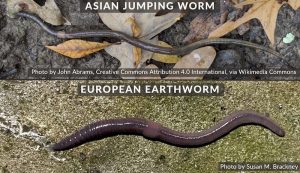
Find out how to identify Asian jumping worms, an invasive and destructive species, and what you can do to help slow its spread.

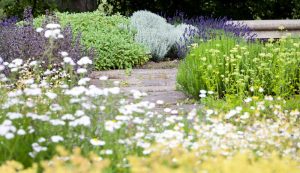
From pocket prairies to a mini meadow, you can create small-scale meadows nearly anywhere, says "Tiny + Wild" author, Graham Laird Gardner.

In The Climate Change Garden: Down to Earth Advice for Growing a Resilient Garden, authors Sally Morgan and Kim Stoddart provide timely advice.

A smart greenhouse can be set up and controlled with a few common smart devices and an online service like IFTTT. Here's how to upgrade your indoor growing!

Grow native milkweed to help monarch butterflies! Cold stratification is essential for good germination rates—and simple when you let Mother Nature do the work.

Jenny Angius from the Reno-based nonprofit organization Urban Roots Teaching Farm tells us about learning lessons through gardening.

Marisa Mender-Franklin, owner of Memphis micro-flower farm Midtown Bramble & Bloom, tells us how flowers help to build community.
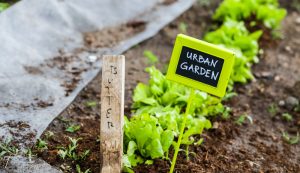
Study shows guidance on garden soil contaminants such as lead is inconsistent—or missing altogether—but urban growers can take action.