The vibrant black-and-blue butterflies aren't as common as they once were, but it's not too late to help pipevine swallowtails by establishing plants for food and shelter.
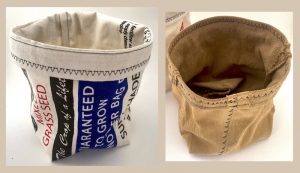
Pots made from scrap denim, felt, landscape fabric and other materials are inexpensive, easy to make and good for plants. Here's how to make some fabric pots yourself!
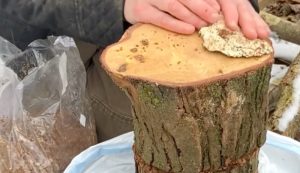
With a little work on the front end, you can enjoy flushes of fresh lion's mane mushrooms for years to come. Here's how to grow your own at home.

The Los Angeles-based farmer tells us how he uses the local climate and his home environment to keep his crops growing all year round.

Converting unused or underutilized land to an edible ecosystem addresses food security issues, and it brings environmental advantages as well!

Wintry weather doesn't mean you have to give up gardening—a cold frame can keep cool-weather crops going well into the chilly months!

While some hiccups in egg production are perfectly normal, others can signal trouble. Here's what to look for when your hens stop laying.

Most pallet wood (with some important exceptions) can be salvaged for usable lumber for quick DIY projects. In this video, we show you how.
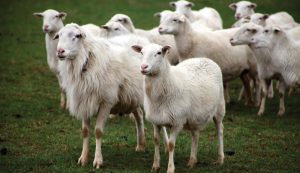
With a wealth of beneficial traits, including the most parasite resistance of all sheep, the St. Croix Hair Sheep is a recent and interesting breed.

Cleaning, sharpening and repairing essential equipment now can help to improve next season's results. Here are some basic care tips for your garden tools.

Winter's a rotten time to find out your bees are in trouble, so performing a late-summer hive check is critical to cold-weather success.

Unlike a spring radish, fall radishes grow slower for a deeper flavor. Grow watermelon radish, black radish and daikon radish for a wintertime treat.