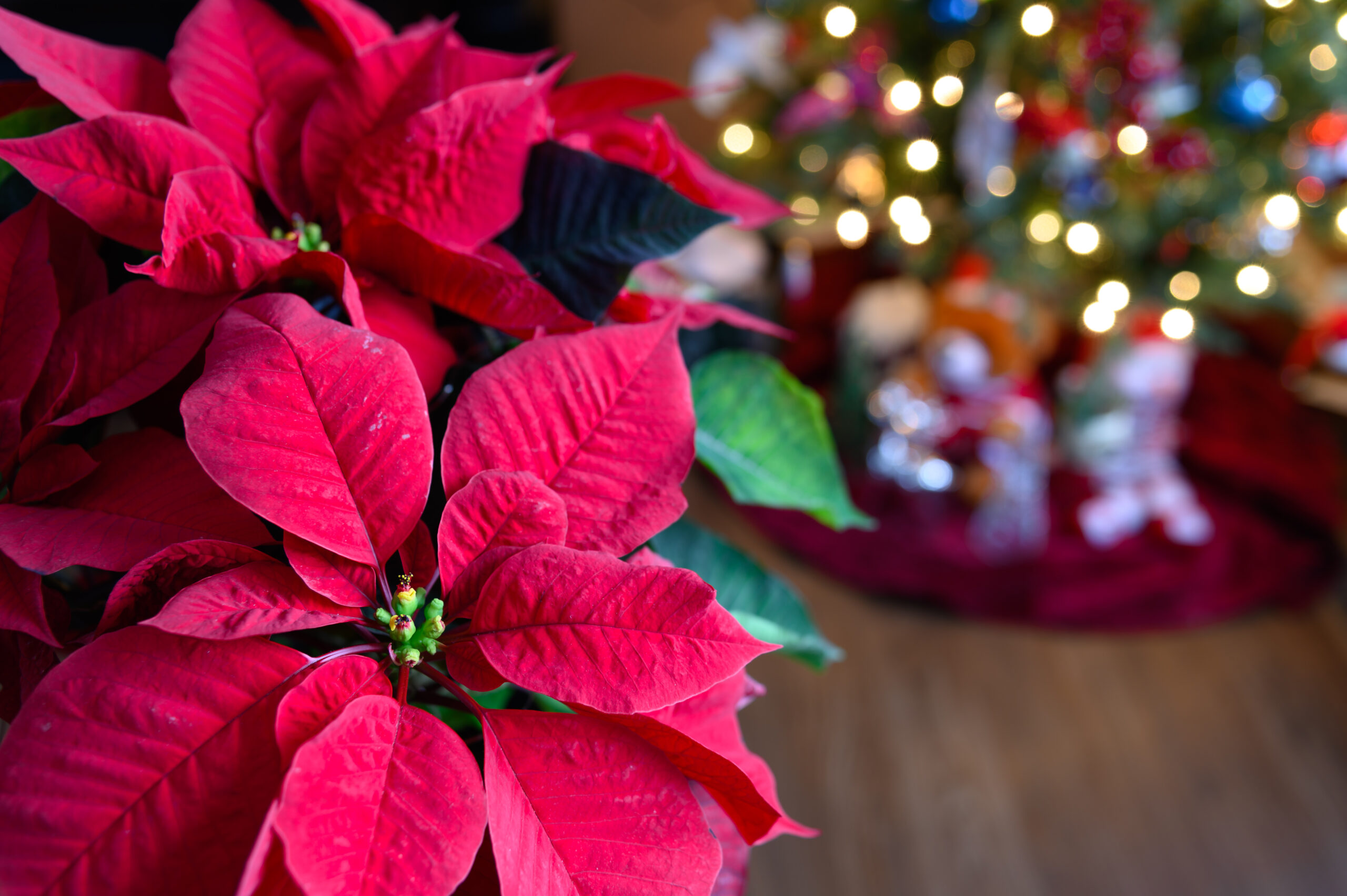
What to do with poinsettias after Christmas is a question many plant lovers ask once the holidays are over and the decorations come down. Often treated as disposable, poinsettias are actually tropical perennials that can thrive year-round with the right care. Rather than tossing your plant once the bracts fade, you can keep it healthy through dormancy, encourage lush summer growth, and even bring it back into color for next holiday season.
Poinsettias are among the most popular holiday plants, but they’re often treated as a “throw-away” plant. Unfortunately, as soon as the New Year arrives, most of them make their way to the garbage dump or compost pile. Rather than disposing of these lovely plants, they should be grown as a house-and-garden plant all year long. Even when not in flower, poinsettia’s dark green, tropical foliage is quite striking.
Poinsettia Care After Christmas
After the holidays pass, continue to keep your poinsettia in a bright window, but out of direct sunlight. With proper care, it will stay in flower for many weeks. Place your poinsettia in a room with a daytime temperature between 65 and 75°F. Nights can be a bit cooler, but the temperature shouldn’t dip below 55. Be sure to keep your poinsettia away from cold drafts. These tropical plants resent cold temperatures. Also, avoid hot drafts, such as those from appliances and forced-air heating ducts.
How to Water and Fertilize a Poinsettia Indoors
Water the poinsettia whenever the soil is dry to the touch. Do not allow it to completely dry out. To water, put the pot in the sink and flush tepid tap water through the pot until the potting soil is saturated. Allow the container to fully drain before putting the plant back on display.
Some of the leaves and bracts (the colored “leaves”) may drop off over the coming weeks. This is normal. While the plant is still in bloom, fertilize every three weeks with an organic, water-soluble liquid fertilizer. Allow the plant to continue to grow until all the bracts naturally drop in late winter. As soon as all the bracts drop, discontinue fertilization and reduce watering to once every 10 to 14 days.
Managing Dormancy and Winter Rest
From now until spring, the plant will be resting; perhaps entering a completely dormant state if all of the leaves drop off. As long as the stems remain flexible, the plant is still alive.
When and How to Prune a Poinsettia
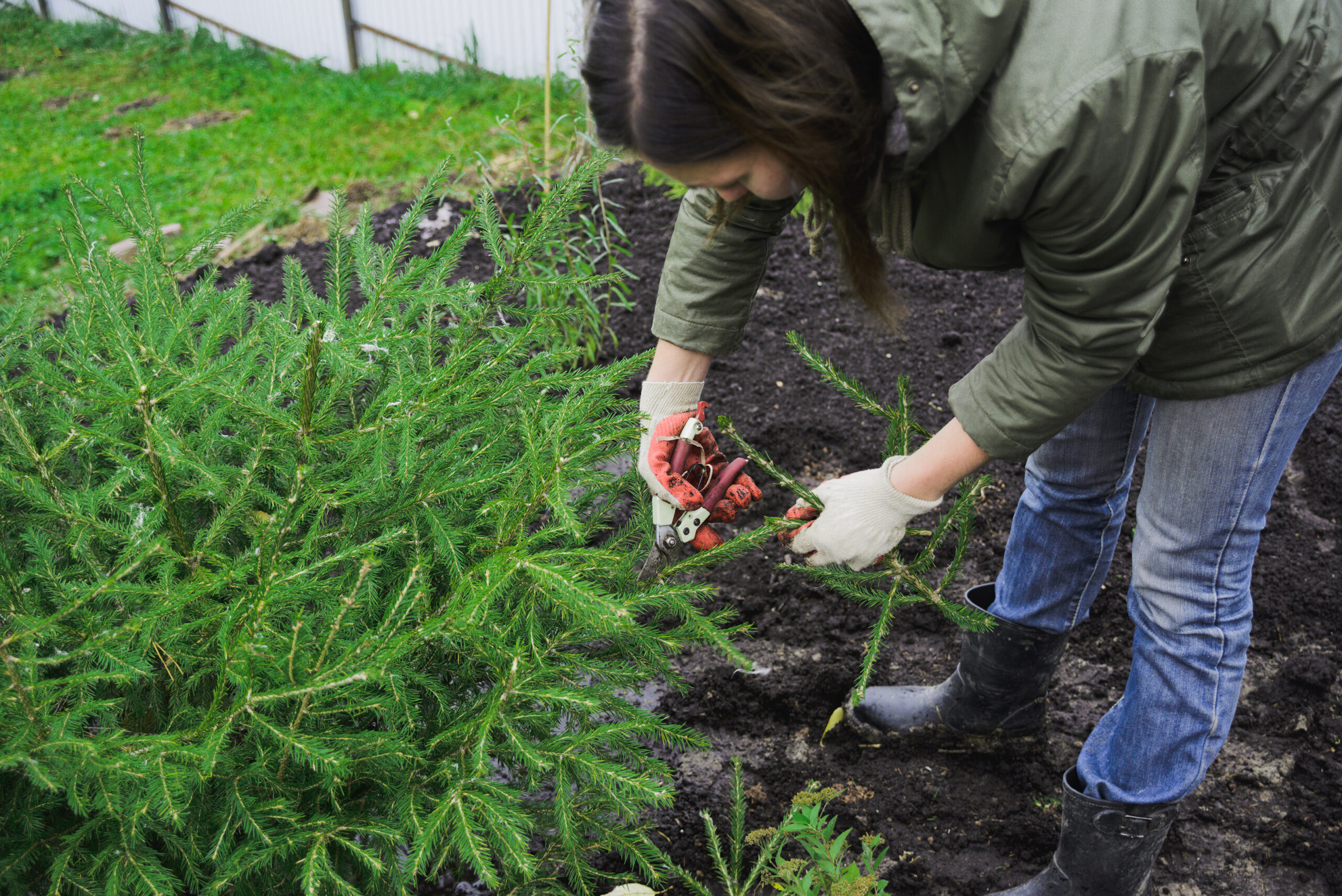
In early March, cut the plant back by a third. By removing the terminal portion of all the stems, branching is encouraged, and the plant will stay compact and well-shaped.
Moving Poinsettias Outdoors for Summer Growth
In late April, begin to put the plant outdoors in a shady site only for a few hours during the day, and only if temperatures remain in the 50s or 60s. Bring it back indoors at night. The plant will slowly become acclimated to outdoor growing conditions and will begin to produce new leaves. Once the danger of frost has passed, repot the plant into a slightly larger container using new potting soil or plant it directly into the ground. Position it in full to partial shade. Keep it out of direct sunlight during midday.
Continue to water your poinsettia throughout the summer months and fertilize every two weeks with an organic, water-soluble fertilizer. In early July, prune the plant again, removing about a third of the plant’s height. This encourages further branching.
How to Get Poinsettias to Rebloom
Once early September arrives, move the plant back indoors. You must do this before the nighttime temperatures drop below 50°F. Starting Oct. 1, get the plant to re-bloom by keeping it in complete darkness for 14 hours each day. This period of darkness cannot be interrupted by any amount of light, natural or artificial. Many people put the plant into a dark closet until the 14 hours have passed. Doing so means that every day at 5 p.m. the plant goes into the closet, and every morning at 7 am it comes out, religiously and without fail. Poinsettias are so sensitive that if you miss a night or the room is not completely dark, the plant might not turn colors at all. You can also put the plant into a large, black plastic trash bag sealed with a twist tie for 14 hours each day.
Once the poinsettia begins to show color, about eight weeks later, you can discontinue the process and enjoy your beautiful blooms for another holiday season.
What to Do With Poinsettias After Christmas: FAQ
Do poinsettias come back after Christmas?
Yes. Poinsettias are tropical perennials and can live for many years with proper care. Even if the leaves drop and the plant appears dormant, it can regrow and rebloom the following season.
When should I cut back my poinsettia?
Prune poinsettias in early March by cutting the plant back by about one-third. This encourages branching and helps maintain a compact, attractive shape.
Can poinsettias go outside in the summer?
Yes. Once the danger of frost has passed and nighttime temperatures stay above 50°F, poinsettias can be moved outdoors. Place them in full to partial shade and gradually acclimate them to outdoor conditions.
How do I get my poinsettia to turn red again?
Starting October 1, poinsettias need 14 hours of uninterrupted darkness each night for about eight weeks. This strict light schedule triggers the bracts to change color in time for the holidays.
Instead of tossing your poinsettia once the holidays are over, a little patience and care can keep it thriving year after year. By understanding its natural growth cycle—from winter rest to summer growth and fall reblooming—you can enjoy this classic holiday plant long after Christmas has passed, turning a seasonal decoration into a long-lasting houseplant.
This article about what to do with poinsettias after Christmas was written for Hobby Farms magazine. Click here to subscribe.