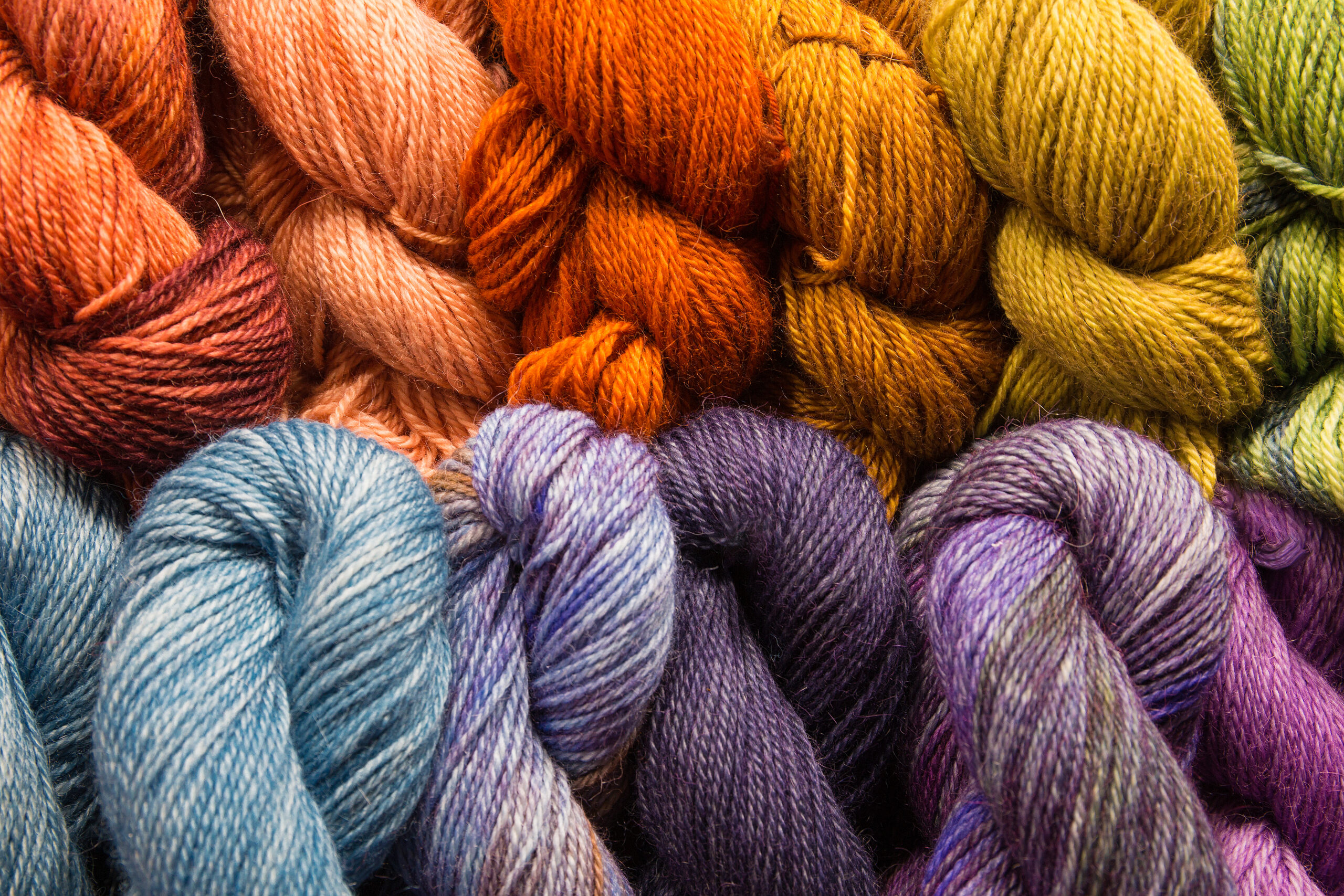
Selling wool fleece and fiber from your farm is a great marketing opportunity for any diversified farm business. As with food, people want to know where their fiber comes from and will pay more for domestically made products. Online tools for establishing a business are more affordable and easier to use than ever. Here are key considerations to think about while getting your fiber business started.
Deciding What Type of Wool to Sell
When deciding what form your fleece and fiber will take, start with what you know best. Work with your own material to intimately understand its pros and cons. If you’re a hand spinner, for example, you probably know more about creating top-notch roving than someone who knits exclusively.
Almost all fleece and fiber can be sold in raw or processed form. Raw fiber is sold by weight, primarily to hand spinners and felters, in either washed or unwashed form, but never unprepared. Matter, like burrs, straw and manure, must be removed, as should soiled, felted and other low-quality fiber pieces.
Processed fibers can take many forms:
- combed top
- roving
- batts
- yarn
- felt
- fabric
- finished goods and garments
Determine if processed fiber can sell at a price high enough to recoup shearing, shipping and mill-processing costs. Most aspects of fiber processing require practice and skill to do well. Mills expertly take fleece and fiber from raw to processed form. If you opt to process fiber yourself, allow time for learning and mistakes.
Store fleece and fiber indoors, in containers that allow air to circulate, and off the ground to stay free of moisture and pests. Cardboard boxes with loose-fitting tops are a great choice.
How Animal Care Influences Wool Quality
Animal health, breed, shelter and cleanliness set the foundation of high-quality fiber. Animals cannot produce long, strong fibers when their immune systems are taxed. Deworm, vaccinate and never sell raw fiber from an animal that might have a contagious disease. Some fiber producers use jackets to cover their animals, keeping the elements and vegetable matter out. Shear animals at the frequency and season appropriate for their breed—wait too long, and hair and wool can mat and felt on the animal’s body.
Choosing the Right Mill for Your Wool
Anyone with a sink and a drum carder might call themselves a mill. Use established, time-tested mills, ideally those whose products you’ve used firsthand. If there’s a particular roving or yarn you like, contact the seller and ask where it was milled. Be sure to ask how long processing will take. Many mills have deep backlogs and long wait times because there is a shortage of mills in the U.S.
Evaluating Wool Quality Before You Sell
Before selling anything, engage a tester or two to give your product(s) a whirl. You most need to hear what’s not good. Ask a hand spinner to use different techniques and spin fiber into various thicknesses, for example, and sit or debrief with them.
Marketing Options for Selling Wool
Creative sales models abound, including fiber clubs, online sales, in-person and wholesale methods.
Selling Wool Through Wholesale Channels
Many yarn shops are increasingly interested in selling local products, but the wholesale price they’re able to pay will be considerably less than the retail price. Calculate whether you can afford to sell wholesale to yarn shops, and don’t be surprised if the answer is no, as is the case for many small-scale wool and fiber producers.
Selling Wool Through Clubs and Subscriptions
The CSA subscription model—in which people pay upfront to receive scheduled food deliveries from local farms—is also popular with fiber hobbyists and will provide you with more predictable income. The contents and styles of fiber club boxes run the gamut: some are sock yarn only, while others consist of thematically dyed rovings (think Harry Potter colorways). Some ship monthly and others quarterly. There’s plenty of room to be creative with your products. Thoughtful packaging, a personal note and contact information are nice additions.
Create a community for fiber club members. If you’re not a pattern designer yourself, partner with one to design a members-only pattern. Hold a knit-along, in which members knit the same pattern at the same time, using fiber from a particular shipment. Release the pattern to the public later to build interest in your products. Organize a Spinzilla team. Ravelry.com forums are a terrific way to organize knit-alongs and spin-athons, and offer successful examples to follow. Invite local fiber club members to your shearing day or to meet your animals.
Selling Wool Online
Establish an online presence and to ramp up sales when you’re ready.
Although your business should feel personal, keep the literal personal version of yourself in separate accounts. Register a website domain name (i.e. www.NameofYourFiberBiz.com) with the name of your business, and set it to renew automatically. (“Domain squatters” hold expired domains hostage to get people to pay for their return.) At minimum, create Facebook, Twitter, Ravelry and Instagram accounts for your business. This controls your brand and makes it harder for someone else to impersonate your business.
The quantity of online tools is overwhelming, so look into tools that minimize effort. Some social media tools cross post, for instance, posting a single photo to Twitter, Instagram and Facebook in one click, so you don’t have to do the same thing three times. In your Ravelry profile, link Ravelry projects to blog posts to drive traffic to your website. Video tutorials on YouTube let people know you exist and drive people to buy.
Create a storefront on an established, plug-and-play platform like Etsy to learn the ropes of online selling. Carefully read the terms of service for any and every online marketplace, which takes a percentage of every sale and has other fees and restrictions. Create your own website with a simple, type-and-click content management system like WordPress, a word-processor-like interface that publishes text and images to the web with the click of a button. Build your own online store with a platform like Shopify, which makes inventory management and online payment straightforward.
Attractive product photos are critical to generating online sales. High-quality cameras are cheap and available on smartphones, but there is a lot to learn. Product photography classes are offered on Craftsy.com and at some fiber festivals and retreats.
Selling Wool at Markets and Festivals
Fleece and fiber can also be sold in person at farmers’ markets or fiber festival booths. Incredibly, not all farmers’ markets consider fiber an agricultural product that can be sold, so understand market rules before paying for a spot. Many farmers market customers won’t know what to do with raw fiber, making finished products more useful to more people: think fingerless mitts, hats, and felted slippers and shoe inserts.
In-person booths are particularly valuable when your fiber business is new, as they alert people to your existence. Creating an attractive booth is a lot of work, however. Account for the cost of portable tables, screens and walls; marketing materials; and time spent driving to and from, setting up and so on. When your business is more established, you may be able to ramp down to one or two shows per year at venues that give the best bang for your buck.
Using Your Farm Story to Sell Wool
Your story is part of what people pay for, which is an item they feel good about buying. Use the labels people most want but don’t get from big companies.
Describe the breed(s) of your animals, and let people know if they’re a rare or heritage breed. Describe your “fibershed,” the “terroir” of your fiber and why certain fiber animals fare well in your region. Include the source animal’s face and name on product labels, so people can see where their fiber comes from. It’s important to state if your fiber comes from a smoke-free, pet-free, or cat-friendly studio. Many fiber hobbyists want to purchase cruelty-free, humanely sourced fiber, but be specific about your practices and what these words mean.
Introduce yourself at local guild meetings and knitting circles, and give workshops or lectures at your local yarn shop, Montessori and other schools, and the like. Everyone wears clothes, and many people want to know more about where they start: on farms like yours.
People Also Ask: Selling Wool
How do I sell wool from my farm?
You can sell wool by offering raw fleece, processed fiber like roving or yarn, or finished products. Use online marketplaces, fiber clubs, farmers markets, or wholesale to yarn shops to reach customers. Highlight your farm story and fiber quality to attract buyers.
Where is the best place to sell sheep wool?
Popular options include Etsy, Ravelry, local fiber guilds, farmers’ markets, and specialty yarn shops. Consider fiber clubs or subscription boxes for recurring sales. Direct-to-consumer sales often earn higher prices than wholesale.
How much is sheep wool worth per pound?
Wool prices depend on breed, fiber quality, and preparation. Specialty or high-grade wool can sell for much more than common fleece. Check local markets, online listings, or fiber guilds for current pricing trends.
Should I sell raw wool or processed wool online?
Raw wool appeals to hand spinners and felters, while processed wool—roving, yarn, or batts—can bring higher profits. Selling online works for both; high-quality photos and detailed descriptions help buyers make decisions.
How do I prepare wool for sale?
Remove burrs, straw, and debris from fleece. Wash and card wool if you’re selling processed fiber. Store it in breathable containers, off the ground, and away from moisture and pests to maintain quality.
Can I make money with a wool subscription box or fiber club?
Yes! Fiber clubs provide regular income and help build a loyal customer base. Boxes can include themed roving, hand-dyed yarn, or members-only patterns to create added value.
How do I market my wool effectively?
Tell your farm’s story, highlight your animal care practices, and show the origin of your wool. Use social media, email newsletters, and craft communities like Ravelry to reach fiber enthusiasts. Appealing photography and clear product descriptions are essential.
This article about selling wool was written for Hobby Farms magazine. Click here to subscribe.